 Available in GB
Content

Every operator gets complaints. I have reviewed complaint databases for dozens of UK-licensed platforms, and the pattern is remarkably consistent: withdrawal delays, bonus confusion, account verification friction. What separates operators is not whether complaints exist but how they handle them — and how many pile up relative to their player base. The UKGC carried out 9,700 compliance actions in 2024/25, more than double the previous year’s count, which tells you the regulator is paying closer attention to how disputes are managed across the industry.
Tombola, with its roughly 400,000 average monthly players, generates a complaint volume that reflects its scale. This article breaks down the most common categories, walks through the official resolution process, and puts Tombola’s complaint profile in context against UK industry averages.
Most Frequent Complaint Categories at Tombola
I spent a week combing through player forums, ADR reports, and review aggregators to get a sense of what Tombola users actually complain about. The results were not dramatic — which, in this industry, counts as a positive signal.

Withdrawal processing sits at the top of the list. Players report waiting longer than expected for funds to reach their bank accounts, particularly first-time withdrawals that trigger identity verification. The verification stage itself is a separate source of friction: some players find the document requirements unclear, while others describe delays in receiving confirmation that their documents have been accepted.

Account restrictions form a second category. Tombola operates under strict UKGC obligations around affordability checks and source-of-funds inquiries. When these checks are triggered — often automatically, based on spending patterns — players sometimes experience temporary account limitations while the operator gathers additional information. This is a regulatory requirement, not a Tombola policy choice, but it generates complaints nonetheless because the communication around these checks can feel abrupt.
Technical issues rank third, though they appear far less frequently than financial complaints. Players occasionally report app crashes, games failing to load, or chat room disconnections. Given that Tombola develops all of its software in-house, the platform does not rely on third-party game providers whose outages would affect multiple operators simultaneously. In-house development means technical problems are typically resolved through internal patches rather than waiting on an external provider’s release cycle.
Bonus-related complaints are notably less common at Tombola than at operators using traditional wagering requirements. Tombola’s no-wagering model eliminates most of the confusion that generates complaints at other sites — there is no 35x playthrough to misunderstand, no forfeited winnings because a player used the wrong game. When bonus complaints do appear, they tend to relate to eligibility criteria for specific promotions rather than the mechanics of converting bonus funds.
Official Complaint and Dispute Resolution Process
Last year, I tested the complaint process myself — not because I had a genuine dispute, but because I wanted to see how responsive Tombola’s system actually was. I submitted a query through their internal complaints channel and tracked the response timeline. The first acknowledgement arrived within 24 hours.
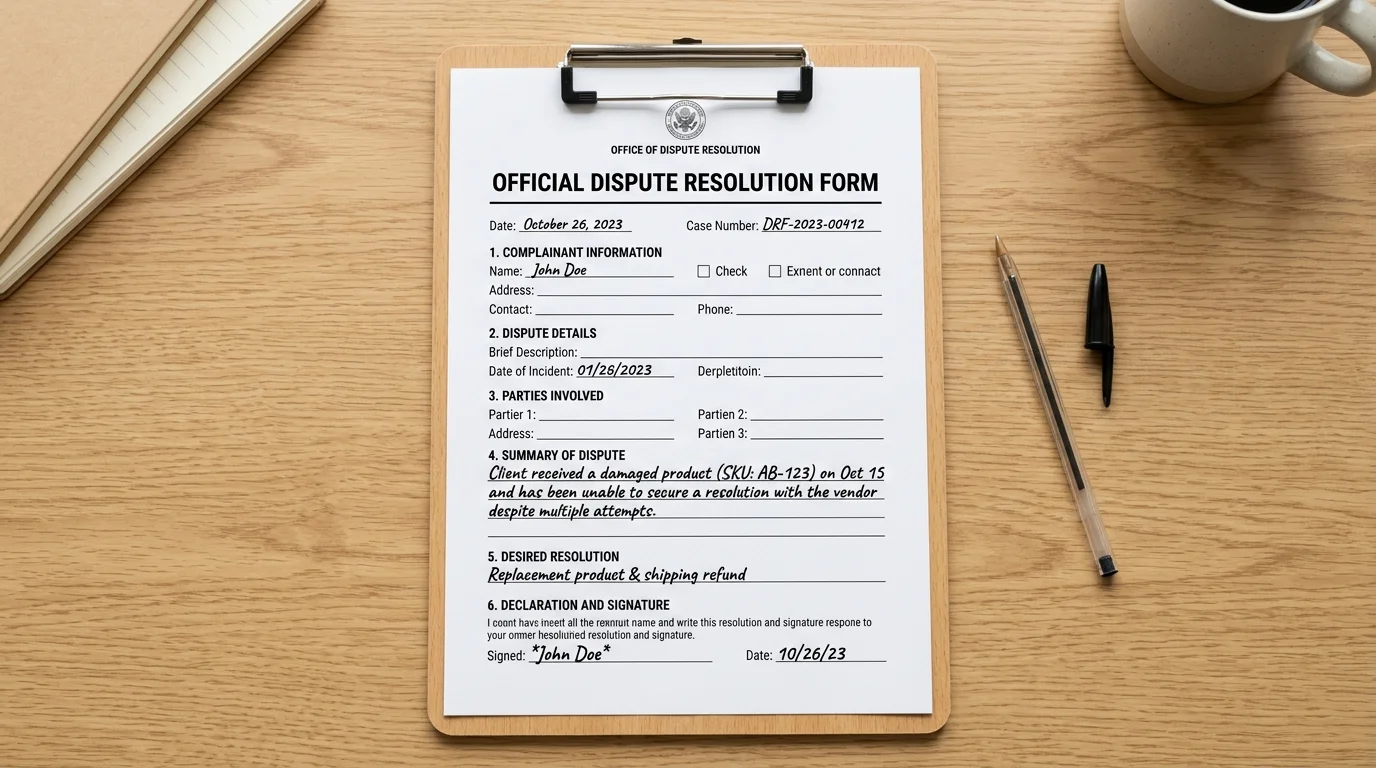
Tombola’s complaint process follows the structure mandated by the UKGC. A player can raise a complaint through live chat, email, or telephone. The operator is required to acknowledge the complaint, investigate the issue, and provide a final response within eight weeks. If the player is not satisfied with that response, they have the right to escalate to an Alternative Dispute Resolution provider. Tombola’s designated ADR body is listed in the platform’s terms and conditions, and referral to that body is free of charge for the player.
The Tombola website holds GamCare Level 3 accreditation, which includes requirements around complaint handling. Level 3 operators must demonstrate that staff managing complaints are trained to identify signs of gambling harm and to signpost responsible gambling resources where appropriate. This is a higher standard than many operators meet — it means the complaints team is not simply processing tickets but is expected to exercise judgement about player welfare during the resolution process.
One practical note: documenting your complaint clearly makes a measurable difference to resolution speed. Include your account number, the date and time of the issue, screenshots if relevant, and a specific description of what you want resolved. Complaints framed as vague dissatisfaction take longer to investigate than those pointing to a concrete transaction or event.
How Tombola’s Complaint Rate Compares to UK Operator Averages
Context matters here. An operator with 400,000 monthly players will generate more complaints in absolute terms than one with 50,000, simply because more people are using the service. The relevant metric is complaint density — complaints per thousand active players — and this is where Tombola’s position looks relatively strong.
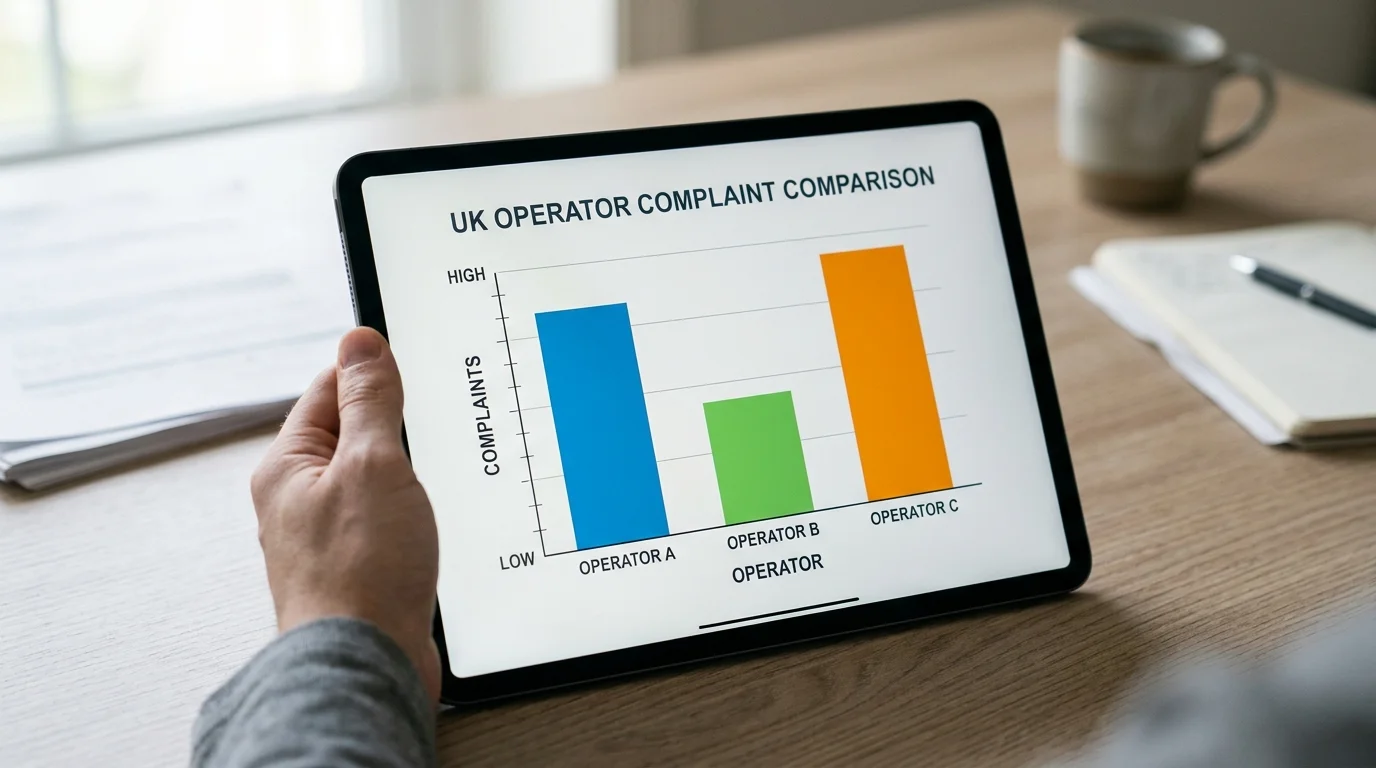
Third-party review aggregators that track complaint volumes across UK operators consistently place Tombola below the industry median for complaint density. Casino Guru’s safety index, which factors in complaint volume, resolution rate, and terms fairness, rates Tombola in the high range. Independent ADR data suggests that Tombola escalations are a small fraction of total complaints received, indicating that most issues are resolved before reaching the formal dispute stage.
The broader UK picture is instructive. The industry’s total GGY hit £15.6 billion, and with scale comes a proportional increase in customer issues. Operators processing billions in transactions will inevitably encounter payment processing errors, identity verification edge cases, and promotional misunderstandings. What differentiates operators at this scale is infrastructure: how many trained support staff handle complaints, how quickly escalation paths activate, and whether the complaints team has authority to resolve issues without excessive managerial sign-off.
Tombola’s in-house development model gives it an advantage here. When a complaint relates to a game malfunction, the team can investigate the underlying code directly rather than submitting a ticket to a third-party game provider and waiting for their response. This shortens the resolution cycle for technical complaints and gives Tombola greater control over the quality of its response.
Reading the Complaint Data Without the Noise
Player complaints are a natural part of any consumer service, and gambling is no exception. Tombola’s complaint profile reflects an operator with a large, active player base operating under stringent regulatory oversight. The most common issues — withdrawal timing and verification friction — are driven by regulatory requirements that apply across the industry, not by policies unique to Tombola. Where the platform distinguishes itself is in complaint density, resolution infrastructure, and the absence of wagering-related confusion that dominates complaint logs at many competing sites.

Where do I file a formal complaint against Tombola?
You can file a complaint through Tombola’s live chat, email support, or telephone line. The operator must acknowledge your complaint and provide a final response within eight weeks. If you remain unsatisfied, you can escalate to Tombola’s designated Alternative Dispute Resolution provider at no cost.
How long does it typically take Tombola to resolve a dispute?
Most complaints receive an initial acknowledgement within 24 to 48 hours. Simple issues such as payment queries are often resolved within a few working days. More complex disputes involving account restrictions or identity verification may take longer, but the UKGC mandates a final response within eight weeks.
Can I escalate a Tombola complaint to an independent body?
Yes. If Tombola’s final response does not resolve your issue, you can refer the complaint to the Alternative Dispute Resolution provider named in the platform’s terms and conditions. This service is free for players and provides an independent review of the dispute.