
 Available in GB
Content
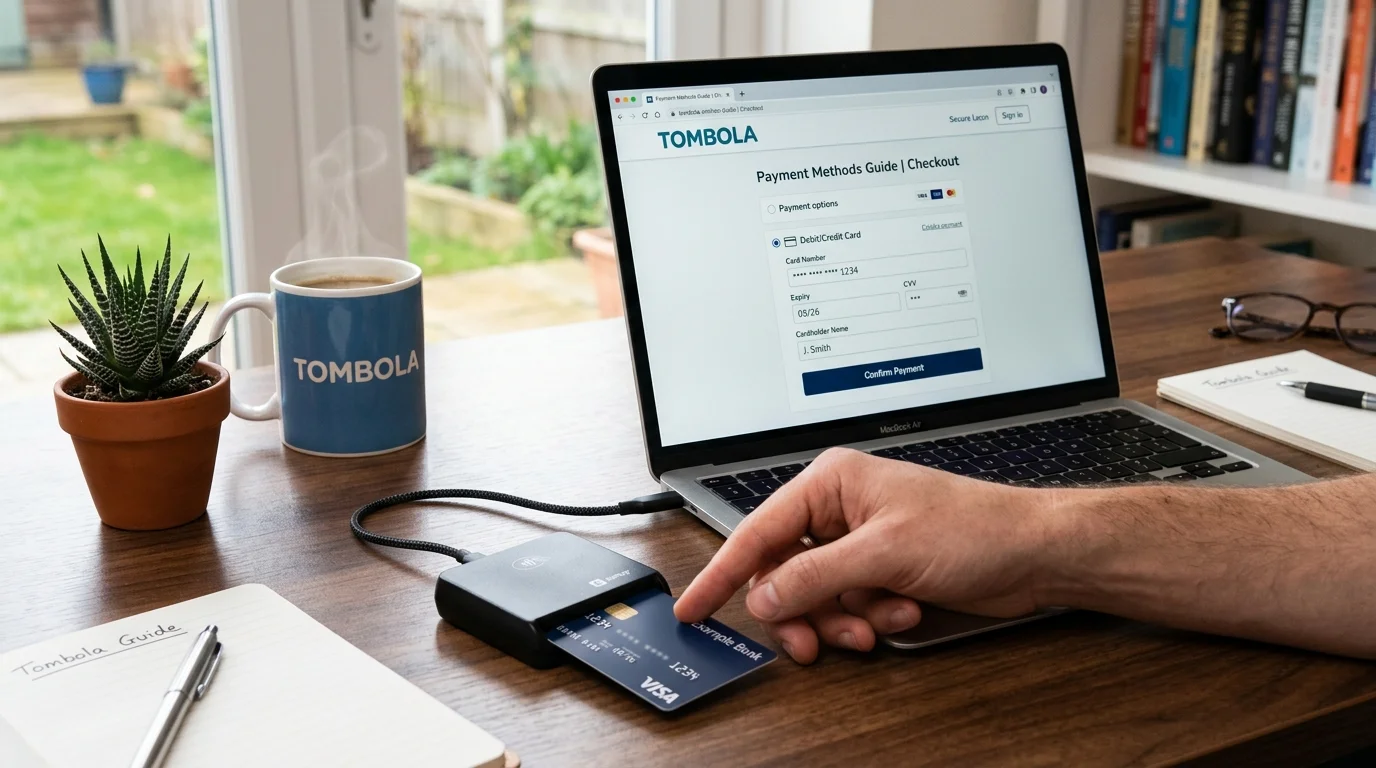
Tombola processes deposits and withdrawals for roughly 400,000 average monthly players (Flutter acquisition disclosure, November 2021), the bulk of them on debit cards through UK retail-banking infrastructure. The mechanics matter more than the headline list of accepted methods: the same brand badge can mean very different things at different operators depending on how the platform handles KYC verification, withdrawal routing, and the interaction between the player’s bank and the payment processor. What follows is a practical overview of how the system works at Tombola, written for UK players who want to know what to expect rather than a comparison of feature-by-feature payment specs.
How Payment Choice Shapes the Tombola Experience
The payment method a player chooses at first deposit shapes more than just the convenience of topping up. Under UKGC anti-money-laundering rules, withdrawals must return to the original deposit channel where possible, so the first decision effectively binds both directions of money flow. A player who deposits by debit card will, in normal circumstances, also withdraw to that debit card. Switching channels mid-relationship is possible but requires additional verification.
Tombola’s payment approach is deliberately conservative. It does not offer cryptocurrency, prepaid voucher exotics, or non-UK-regulated wallets. The list is short and oriented around the methods most UK bingo players already use. That fits with the operator’s bingo-led recreational positioning, where most deposits are modest and the experience needs to feel as familiar as a high-street transaction.
The Categories of Methods Tombola Supports
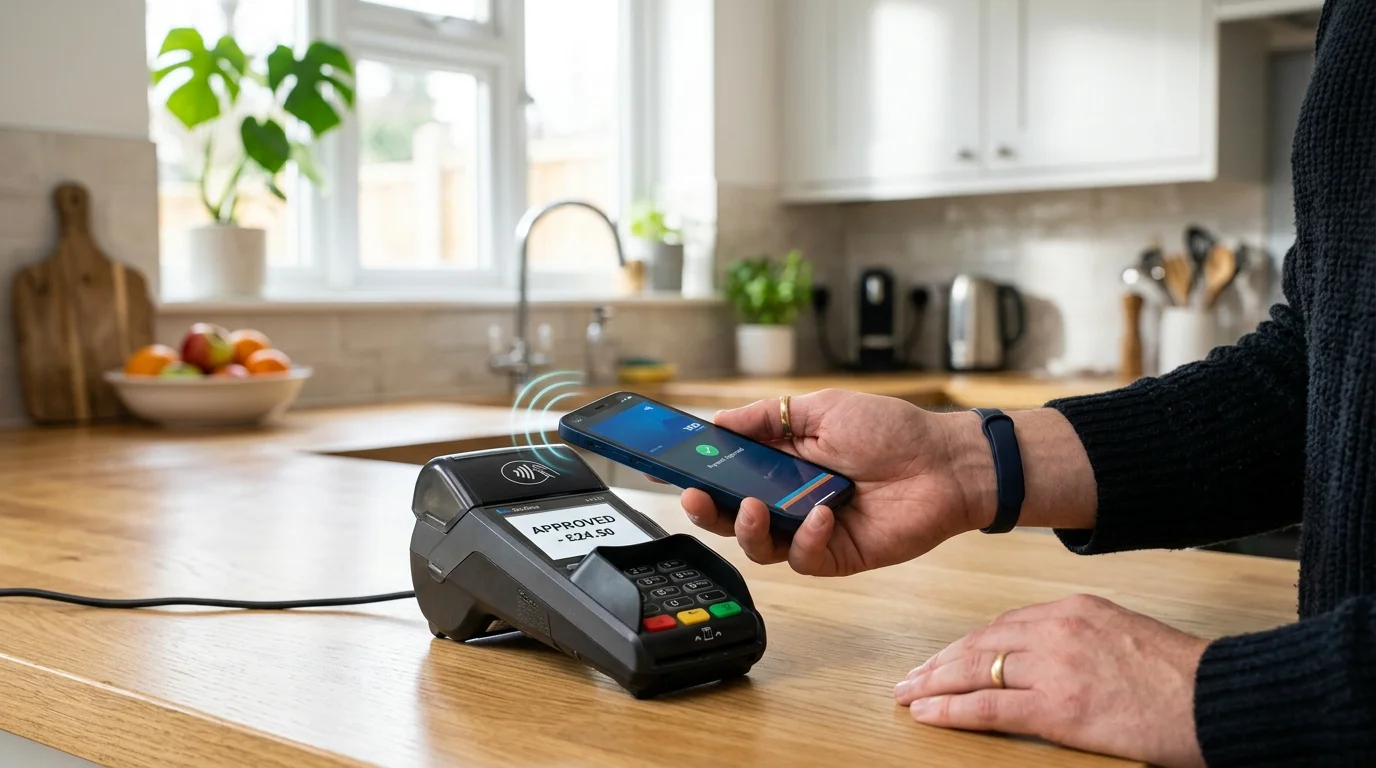
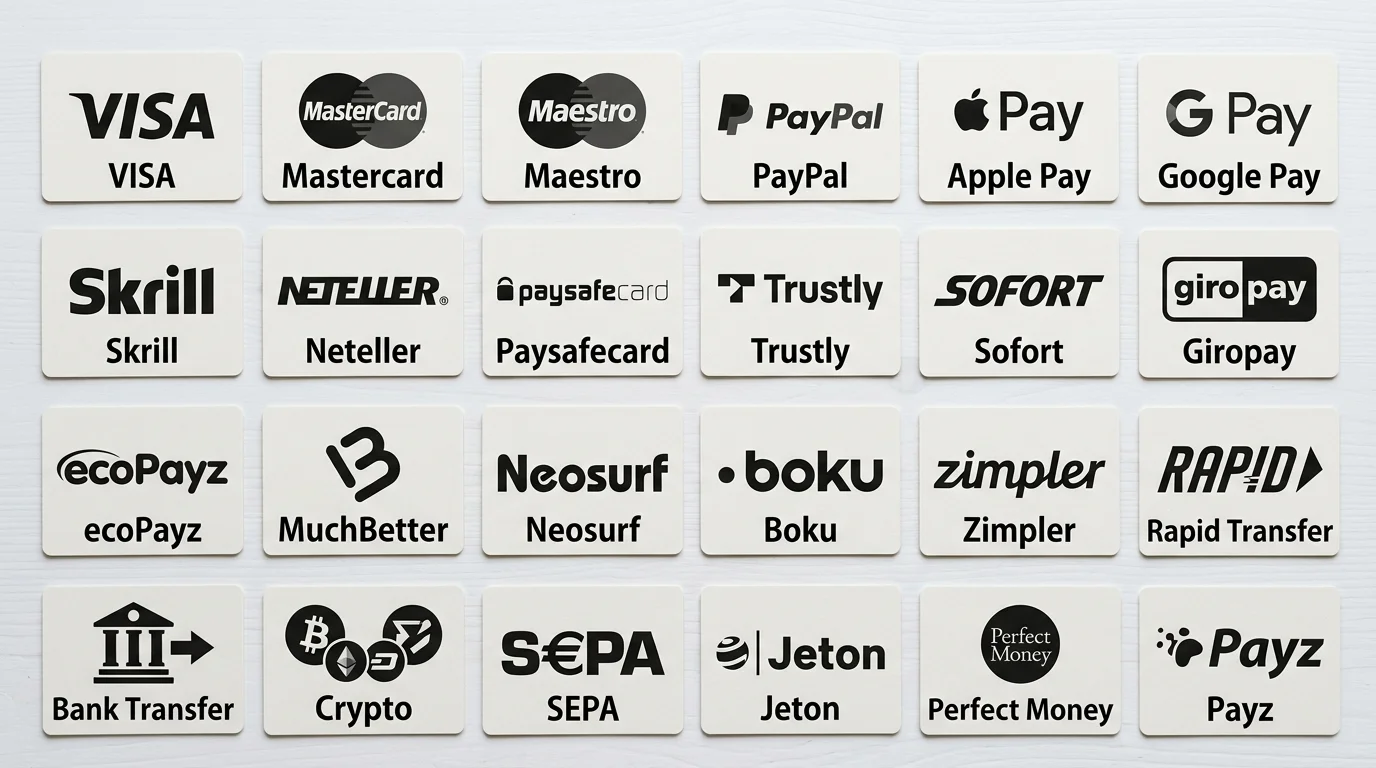
UK-issued debit cards (Visa, Mastercard) are the primary deposit channel. Processing is instant in both directions in normal cases. Credit cards have been banned from UK gambling since April 2020 — a policy enforced at the regulator level, not the operator level, so it applies identically across every UKGC-licensed site.
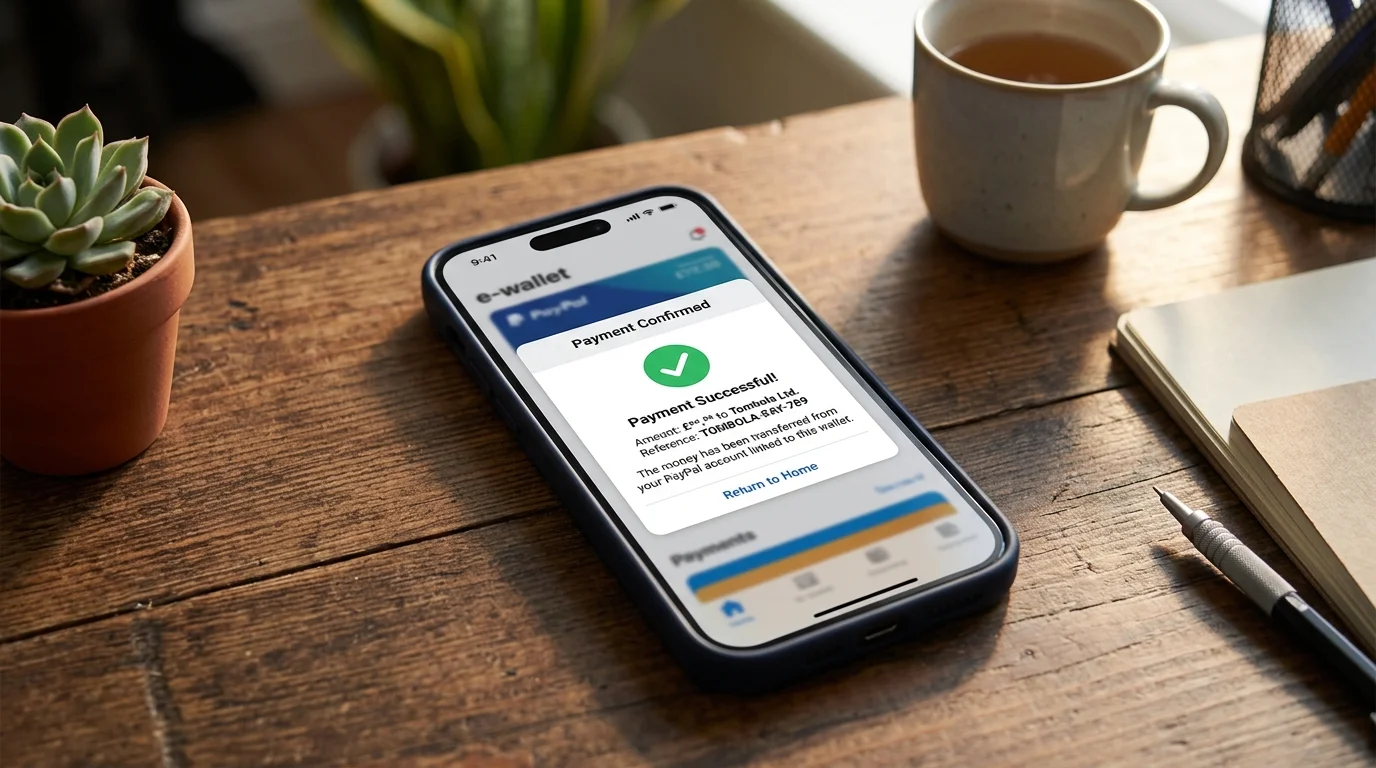
E-wallets, with PayPal as the most widely used option in the UK, sit alongside debit cards as the second main category. The appeal is separation between the gambling transaction and the underlying bank account — a player’s statement shows the e-wallet provider rather than the operator name. Pay-by-mobile and bank-transfer options handle the remaining minority of transactions, mostly for players who prefer not to use a card or wallet for gambling at all.
The exact list, supported brands, and any temporary suspensions on a given method are best confirmed in Tombola’s own deposit screen before transacting, since the available rails can shift quarterly as processors are added or rotated. The categories above are stable; specific brand availability is not.
Verification: Why the First Deposit Triggers KYC
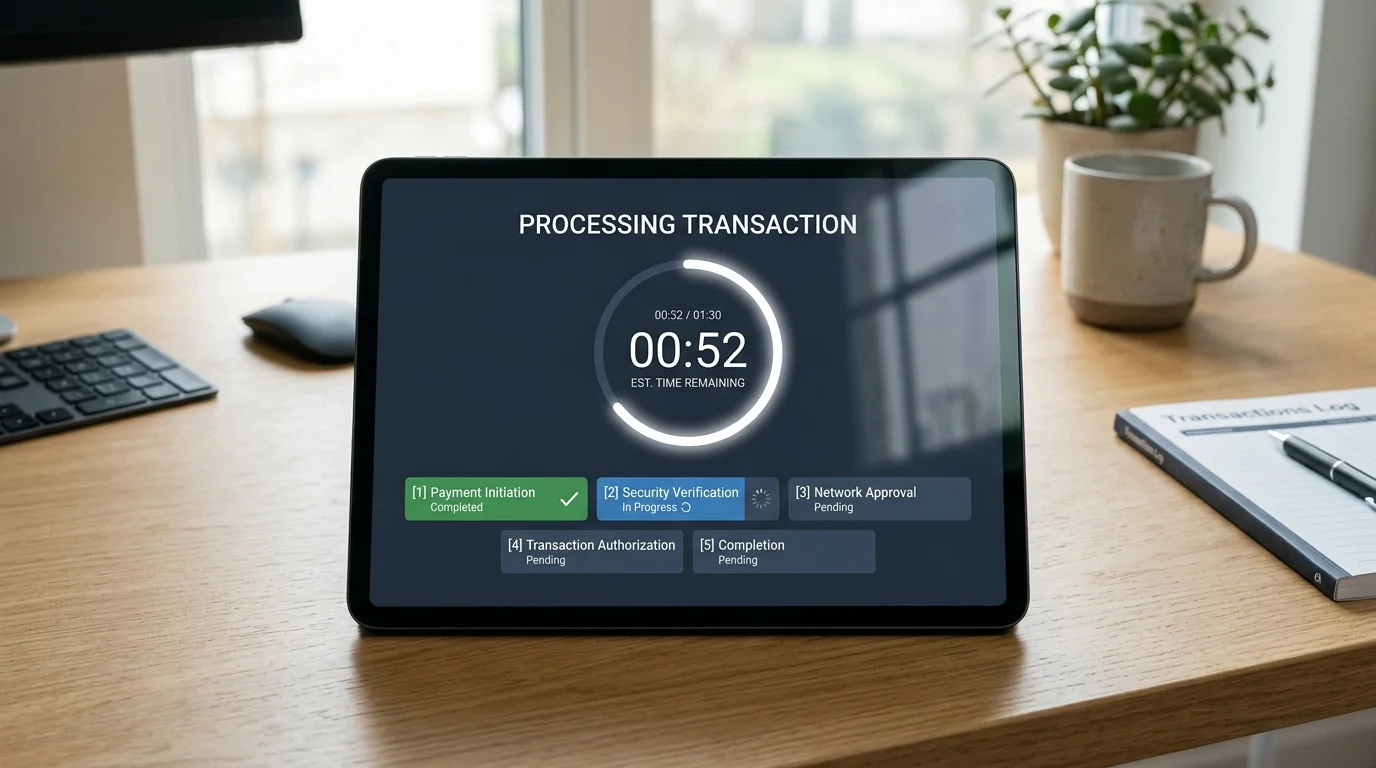
The most common surprise for new Tombola players is being asked for identity documents at the first-deposit stage rather than at the first-withdrawal stage. This is a regulatory shift rather than a Tombola choice. The UKGC’s licence conditions require operators to verify a player’s age, identity, and (where appropriate) address before any gambling activity, so the document submission has been pulled forward in the journey. Tombola accepts standard documents — passport or driving licence for identity, a recent utility bill or bank statement for address — and the process typically completes within minutes to a working day depending on document quality.
Completing KYC at deposit means the first withdrawal can be released without the verification delay that used to sit between play and payout. Players who have not provided documents will find themselves unable to deposit, not unable to withdraw — a cleaner failure mode than the older model.
Withdrawal Routing and What Affects Timing

Withdrawals at Tombola go through two stages. The first is an operator-side review window during which the request can be cancelled by the player (a feature Tombola has supported for years as a responsible-gambling tool, intentionally encouraging the player to leave winnings on the platform). The second is the payment-rail stage, where timing depends on whether the destination is a debit card, e-wallet, or bank account, and on the receiving bank’s own processing.
E-wallets are typically the fastest second stage. Debit card returns can be near-instant or take a working day or two, depending on the issuing bank. Bank transfers can take longer in either direction. None of this is unique to Tombola — it reflects the same retail-payment infrastructure every UK operator depends on.
The routing rule is consistent: withdrawals return to the deposit method where possible. Where that method does not support inbound payments (some prepaid options), the withdrawal is routed to an equivalent registered method and the player will be asked to verify it.
Currency, Limits and Fees: The Headline Picture
Tombola operates in pounds sterling for UK players. There are no Tombola-imposed fees on deposits or withdrawals. Third-party fees can still apply on the player’s side — some banks treat gambling-related card transactions as cash advances with their own fee structure, even on debit cards. That is a bank-side decision rather than an operator-side one.
Deposit limits sit on top of the platform. Under UKGC rules effective 31 October 2025, operators must proactively offer players the option to set a deposit limit before the first deposit. Tombola asks at sign-up, and the limit can be adjusted later: a reduction takes effect immediately; an increase is subject to a cooling-off period as required by the regulator. The mechanic is part of a broader safer-gambling framework funded in part by the statutory levy, which from April 2025 channels approximately £100 million annually into NHS-led treatment (50%), prevention via OHID (30%), and research via UKRI (20%).
Frequently Asked Questions
Why does Tombola ask for ID documents when I first deposit?
UKGC licence conditions require operators to verify a player’s age, identity and address before any gambling activity, not before the first withdrawal as some older industry practice suggested. Tombola completes KYC at first deposit so subsequent play is uninterrupted and the first withdrawal can be released without delay.
Is withdrawal back to the original payment method mandatory?
Yes — for anti-money-laundering reasons, Tombola routes withdrawals back to the original deposit method (or to an equivalent if the original is not available for outbound payments). This is consistent across UKGC-licensed operators and is a network-level requirement.
Does Tombola accept cryptocurrency?
No. Tombola operates exclusively within UKGC-licensed payment rails and accepts traditional UK payment methods only — debit cards, e-wallets and pay-by-mobile being the main categories. Cryptocurrency is not a licensed gambling payment channel for UK consumer-facing operators.
Are there fees on Tombola deposits or withdrawals?
Tombola itself does not levy a fee on deposits or withdrawals. Third-party costs can apply at the player’s bank or e-wallet end. Credit cards have been banned for gambling across the UK since April 2020.
Are deposit limits something I have to opt into?
From 31 October 2025, UKGC rules require operators to proactively offer the option of setting a financial limit before the first deposit. Players can set, change or remove deposit limits at any time via account settings; reductions take effect immediately and increases are subject to a cooling-off period.
See also: how withdrawals work step by step, the minimum deposit explainer, and the parent Tombola casino review.