
 Available in GB
Content
- Why Tombola Develops Its Own Games: Control, RTP and Uniqueness
- Bingo Rooms: 90-Ball, 75-Ball, Five-Line and Variants
- Slots and Instant-Win Titles on the Main Platform
- Progressive and Fixed Jackpots: Prize Pools and Odds
- RTP and Fairness: Where to Find the Numbers
- New Releases and Game Rotation Schedule
- Game-Related Questions
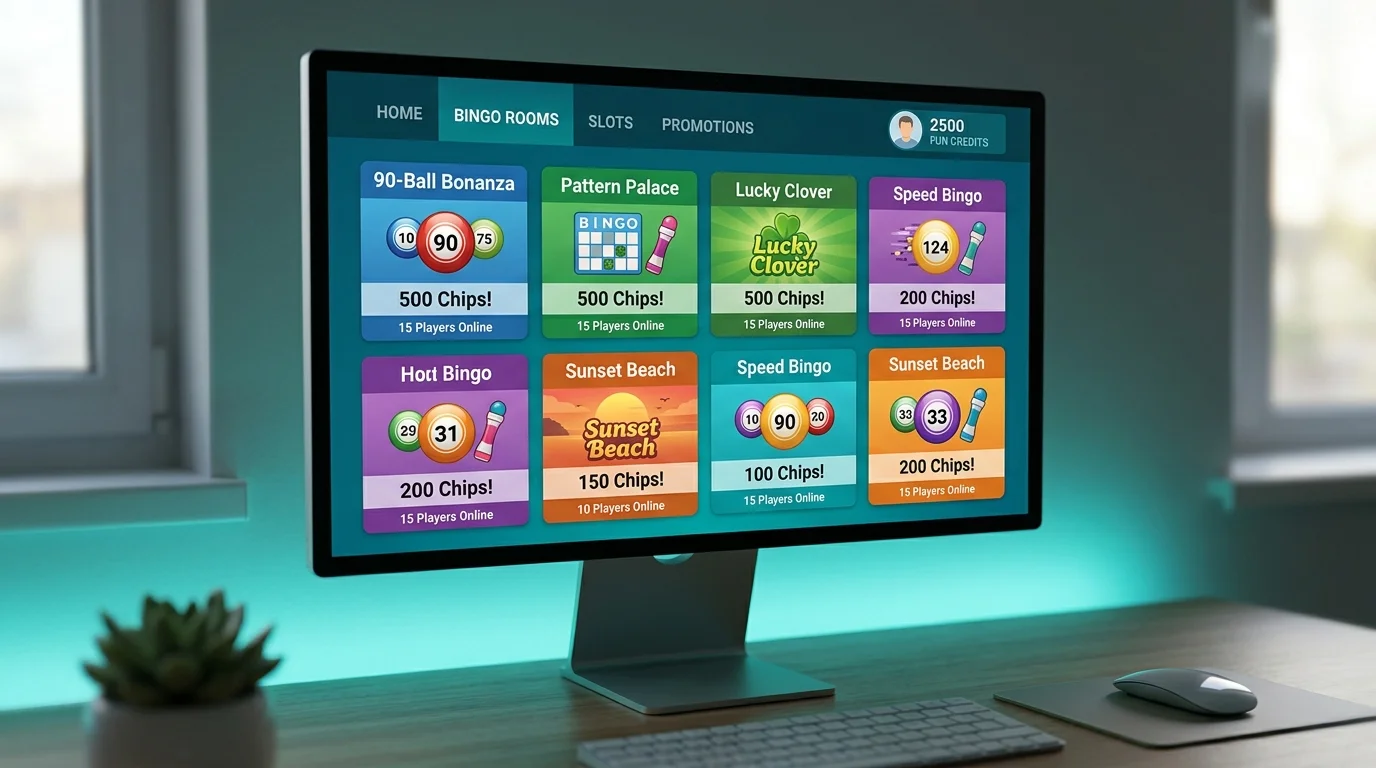
Walk into any industry conference, mention Tombola, and someone will inevitably say: “They build everything themselves, don’t they?” They do. At a time when approximately 400,000 average monthly players were logging in — the figure at the point Flutter Entertainment acquired the company for £402 million — every single game on the platform was developed by Tombola’s own team. No Playtech. No Pragmatic Play. No Microgaming. No third-party providers at all. That is not a minor technical detail; it is a fundamental business decision that shapes everything from RTP transparency to the player experience you encounter on screen.
In an industry where most operators license their game libraries from a handful of dominant suppliers, Tombola’s approach is genuinely unusual. The global online bingo market reached $3.22 billion in 2025, and the vast majority of platforms competing for that revenue are running identical or near-identical software under different brand skins. Tombola opted out of that model entirely. The result is a game library that looks, feels and plays differently from anything else in the UK market — for better or worse, depending on what you are looking for.
This article maps the full scope of Tombola’s game catalogue: bingo rooms across multiple formats, instant-win titles, slot-style games, jackpot mechanics and the RTP data underpinning all of it. I will cover what is there, what is notably absent, and why the in-house model produces a fundamentally different kind of game library than you will find at any competitor.
Why Tombola Develops Its Own Games: Control, RTP and Uniqueness
I remember reviewing a mid-tier bingo site a few years ago that advertised “over 500 games” on its homepage. Impressive number. Except when I checked, roughly 480 of those games were third-party slots available on at least a dozen other sites, and the “bingo” section was a white-label product from a single supplier that looked identical to six competitors. The quantity was real; the differentiation was zero.
Tombola’s decision to develop everything in-house creates the opposite dynamic. The total number of titles is smaller — substantially smaller than a platform carrying catalogues from multiple providers — but every game is exclusive. You cannot play Tombola’s version of Pulse, Bingo 90 or Cinco at any other operator. That exclusivity is a deliberate strategic choice, not a limitation born of inability to license third-party content.
The advantages of in-house development are tangible. First, Tombola controls the RTP — return to player — on every game it builds. There is no negotiation with a third-party supplier over payout parameters; Tombola sets the numbers and publishes them directly. Second, the development team can iterate on game mechanics rapidly, adjusting features based on player behaviour data without waiting for a supplier’s release cycle. Third, the visual design, user interface and interaction patterns are consistent across the library because one team builds all of it. The result is a platform that feels cohesive rather than assembled from parts.
The trade-off is equally clear. Players who want access to branded slots, progressive jackpot networks spanning multiple operators, or the latest releases from tier-one suppliers will not find them at Tombola. The library is self-contained. If you enjoy a particular Pragmatic Play or Evolution title, it simply does not exist on this platform. That is a deal-breaker for some players and irrelevant to others — particularly those whose primary interest is bingo rather than slots. When Flutter’s CEO Peter Jackson described Tombola’s “product expertise” as a key attraction, he was pointing to precisely this: the in-house model is not a limitation to be overcome but a capability that differentiates the brand.
From an analytical perspective, the in-house model also creates a cleaner compliance picture. When a regulator queries game fairness, RTP accuracy or technical standards, Tombola does not need to coordinate with an external supplier. The audit trail runs from game design to live operation within a single organisation, which simplifies the kind of compliance documentation the UKGC increasingly demands — the Commission carried out 9,700 compliance actions in 2024/25, more than double the 4,200 recorded the previous year. Whether that operational advantage translates into a perceptible benefit for players is debatable, but it undeniably reduces the friction points that sometimes cause problems at multi-supplier platforms.
There is also a data advantage that rarely gets discussed. Because Tombola builds and operates every game, it has full visibility into player behaviour at a granular level — session lengths, stake patterns, game-switching frequency, jackpot participation rates. That data feeds directly into product development, responsible gambling tooling and promotional design. Operators reliant on third-party games receive aggregated data from their suppliers, but the depth and immediacy of that data cannot match what an in-house operation generates. In a regulatory environment where the UKGC expects operators to identify and act on markers of harm in real time, owning the entire data pipeline is a structural advantage.

Bingo Rooms: 90-Ball, 75-Ball, Five-Line and Variants
The 90-ball format is where Tombola’s roots are deepest, and it is where the platform’s player base concentrates most heavily. Industry consensus from the Bingo Association and operator-data submissions consistently places 90-ball as the dominant variant in both online and offline UK bingo, which is unsurprising given that the format has been the British standard since the 1960s.
Tombola’s main 90-ball room operates on a continuous schedule with games starting every few minutes throughout the day. Ticket prices start low — typically from a few pence — which is consistent with the platform’s low-stakes positioning. The room features integrated chat, managed by dedicated chat hosts who run side games and maintain what Tombola markets as a “community” atmosphere. Having spent time in these rooms, I can confirm that the chat functionality is more active than on most competing platforms. It is not just a text box bolted onto the side of the game; it is a social layer that a meaningful segment of players treats as the primary reason to log in.
The 75-ball room follows the American-style format with pattern-based wins rather than the line-based structure of 90-ball. Tombola’s implementation uses a five-by-five grid with a free centre square, and winning patterns rotate to keep sessions varied. This room tends to attract players who prefer faster-paced games with more frequent wins, though the prize pools are typically smaller than the headline 90-ball draws.
Five-Line bingo is Tombola’s twist on the speed format. Instead of the traditional three-line ticket structure of 90-ball, Five-Line uses a compressed five-line card that resolves faster. It is designed for shorter sessions — the kind of game you might play during a lunch break rather than a dedicated evening session. The ticket prices and prize structures reflect that compressed format, with lower individual prizes but higher frequency of wins per session.
Beyond these core formats, Tombola periodically introduces variant rooms that modify the standard mechanics. These might involve different ticket structures, special pattern requirements, or enhanced prize pools tied to promotional periods. The variant rooms rotate rather than remaining permanent fixtures, which gives the schedule a dynamic quality that pure 90-ball and 75-ball rooms lack. The rotation also serves a practical purpose: it lets Tombola test new game concepts with its player base before deciding whether to make them permanent.
The community dimension of Tombola’s bingo rooms deserves more than a footnote. Research consistently shows that women make up between 75% and 85% of all bingo players, with the majority falling in the 35-to-64 age bracket. Tombola’s room design reflects this demographic reality. Chat rooms are actively moderated, the tone is social rather than competitive, and the side games run by chat hosts — trivia quizzes, word games, themed events — create an atmosphere closer to a social club than a gambling floor. Community and multiplayer features remain a defining characteristic of online bingo relative to slots, and community-oriented platforms like Tombola are positioned around exactly that distinction.
One notable feature across all bingo rooms is automatic ticket purchasing. Players can set up auto-buy to enter games on a schedule, which is particularly popular among regulars who want to participate in specific daily draws without manually logging in each time. The responsible gambling implications of auto-buy are worth noting — it removes the friction of conscious decision-making from each purchase — but Tombola pairs it with configurable spend limits and session reminders, which partially offsets that concern.
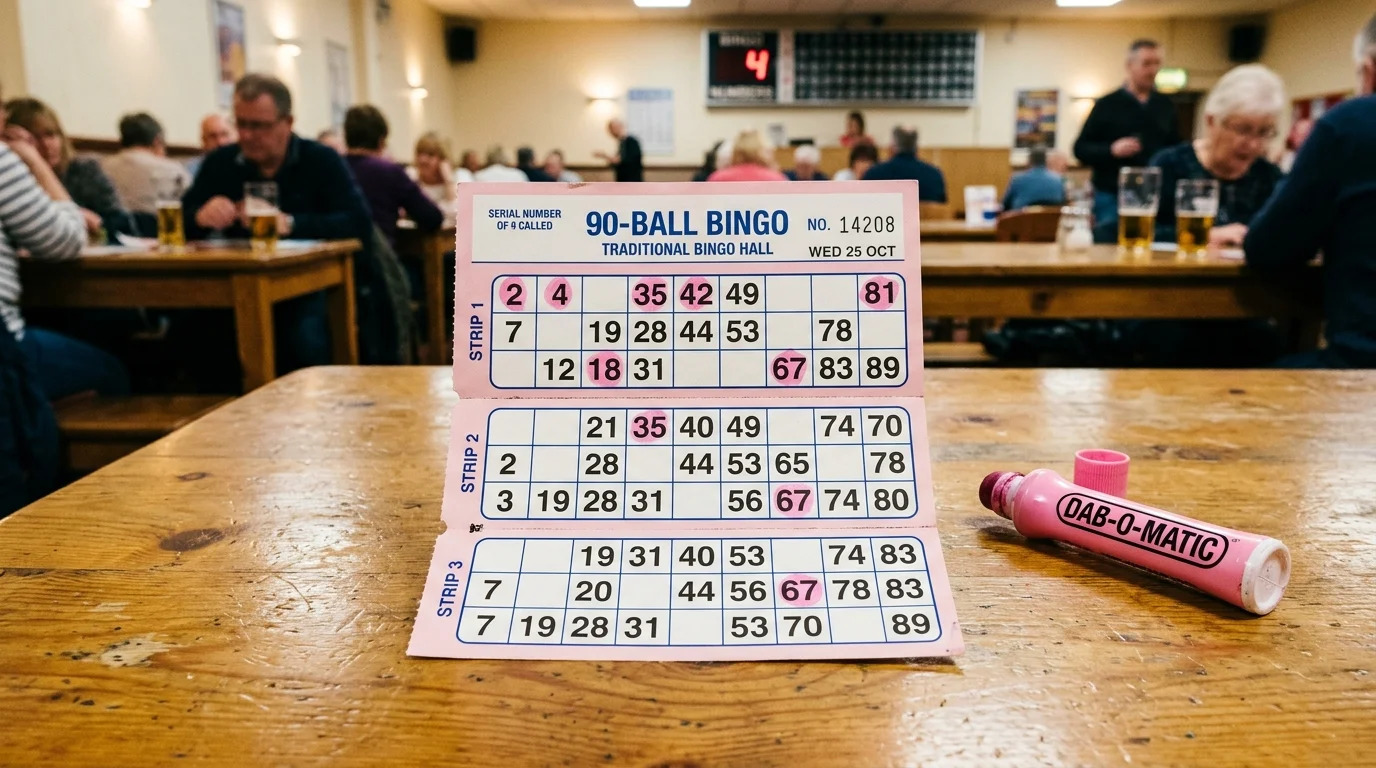
90-Ball Rules, Patterns and Prize Tiers
The 90-ball format looks more complicated than it is on first description: three winning patterns on a single ticket, but with a simple draw mechanic.
A 90-ball bingo ticket contains 27 spaces arranged in a three-row, nine-column grid. Each row holds five numbers and four blank spaces. Numbers range from 1 to 90, distributed across columns: 1 to 9 in the first column, 10 to 19 in the second, and so on up to 80 to 90 in the ninth. Ninety balls are drawn randomly, and players mark matching numbers on their tickets.
There are three prize tiers in a standard 90-ball game. The first prize goes to the player who completes one full line — all five numbers in a single row. The second prize goes to the player who completes two lines — any two of the three rows. The full house — all fifteen numbers on the ticket — wins the top prize. Some rooms add bonus prizes or progressive jackpots on top of this structure, but the one-line, two-line, full-house framework is universal
The 90-ball format’s popularity owes something to tradition — it has been the dominant format in British bingo halls since the 1960s — and something to the pacing. Three separate winning opportunities per game create natural tension points that keep players engaged through the entire draw sequence.
90-Ball Rooms at Tombola: What to Expect
Tombola’s 90-ball section is built from a varied set of rooms rather than carbon copies of one template. Each room carries its own ticket price, prize structure and schedule, designed for different budgets and play styles.
Ticket prices across Tombola’s 90-ball rooms start as low as a few pence per ticket, scaling up to rooms with higher stakes and correspondingly larger prize pools. The low-entry rooms are designed for players who treat bingo as entertainment with a modest budget — the kind of player who might spend an evening’s worth of entertainment money on a batch of tickets and enjoy the social element as much as the game itself.
Higher-priced rooms attract players looking for bigger prize pools. Because Tombola develops all of its games in-house, the operator can adjust prize structures dynamically based on player volume, promotional events, or seasonal schedules. Progressive jackpots in select 90-ball rooms grow until they are won, adding an extra layer of anticipation to the standard three-tier prize model.
The room schedule runs throughout the day, with specific rooms opening at set times and others running continuously. Peak hours tend to cluster in the evening, when room populations are highest. Fuller rooms mean larger prize pools — bingo is one of the few gambling formats where the number of other players directly improves the potential payout, because the prize fund is constructed from ticket sales.
The chat rooms that run alongside each bingo game add a social dimension that many players describe as the primary reason they come back. Chat hosts moderate conversations, run side games with small prizes, and maintain the community atmosphere that distinguishes Tombola from operators where bingo rooms feel like empty warehouses.
Ticket-Buying and Bankroll Tips for 90-Ball
Here is the honest truth about bingo strategy: you cannot influence the outcome. The draw is random, the numbers are generated by a certified RNG, and no ticket-buying pattern will change your odds of winning a specific game. What you can control is how you manage your spending.
Buying more tickets for a single game does increase your probability of having a winning ticket, but it increases your cost proportionally. If a room has fifty players and you buy one ticket, you have roughly a one-in-fifty chance of holding the winning line. Buy ten tickets and your odds improve, but you have also spent ten times as much. The expected return per pound wagered does not change — only the variance of your session outcome.
Set a session budget before you enter a room. Decide how much you are comfortable spending for an evening’s entertainment and buy tickets accordingly. Tombola’s spend limit tools allow you to set daily, weekly, and monthly caps that the platform enforces automatically — use them. They exist because even experienced players underestimate how quickly small purchases accumulate when you are having fun and the next game starts in thirty seconds.
One tactic I have found useful: start in a lower-priced room to get a feel for the pacing and the community, then move to a higher-priced room once you understand the rhythm. There is no pressure to play at any particular level, and the social atmosphere in the cheaper rooms is often livelier because the players tend to be more relaxed about outcomes.
Why 90-Ball Endures
The 90-ball format has survived the transition from bingo halls to digital platforms because its structure works. Three prize tiers create genuine tension, the social element of playing alongside others adds depth, and the low barrier to entry keeps it accessible. Tombola’s in-house development means its 90-ball rooms are designed from scratch rather than licensed from a third-party template, giving the platform control over every element from ticket layout to jackpot mechanics. For UK bingo players, this is the format — and Tombola is where the rooms are fullest.
What is the cheapest 90-ball bingo room at Tombola?
Tombola offers 90-ball rooms with ticket prices starting from just a few pence. These low-cost rooms are designed for players with modest budgets who want extended play sessions without significant financial exposure.
Can I buy multiple tickets for the same 90-ball game?
Yes. Tombola allows players to purchase multiple tickets for a single game. Buying more tickets increases your probability of holding a winning combination, but it also increases your total spend for that game. The expected return per pound wagered remains the same regardless of how many tickets you hold.
Slots and Instant-Win Titles on the Main Platform
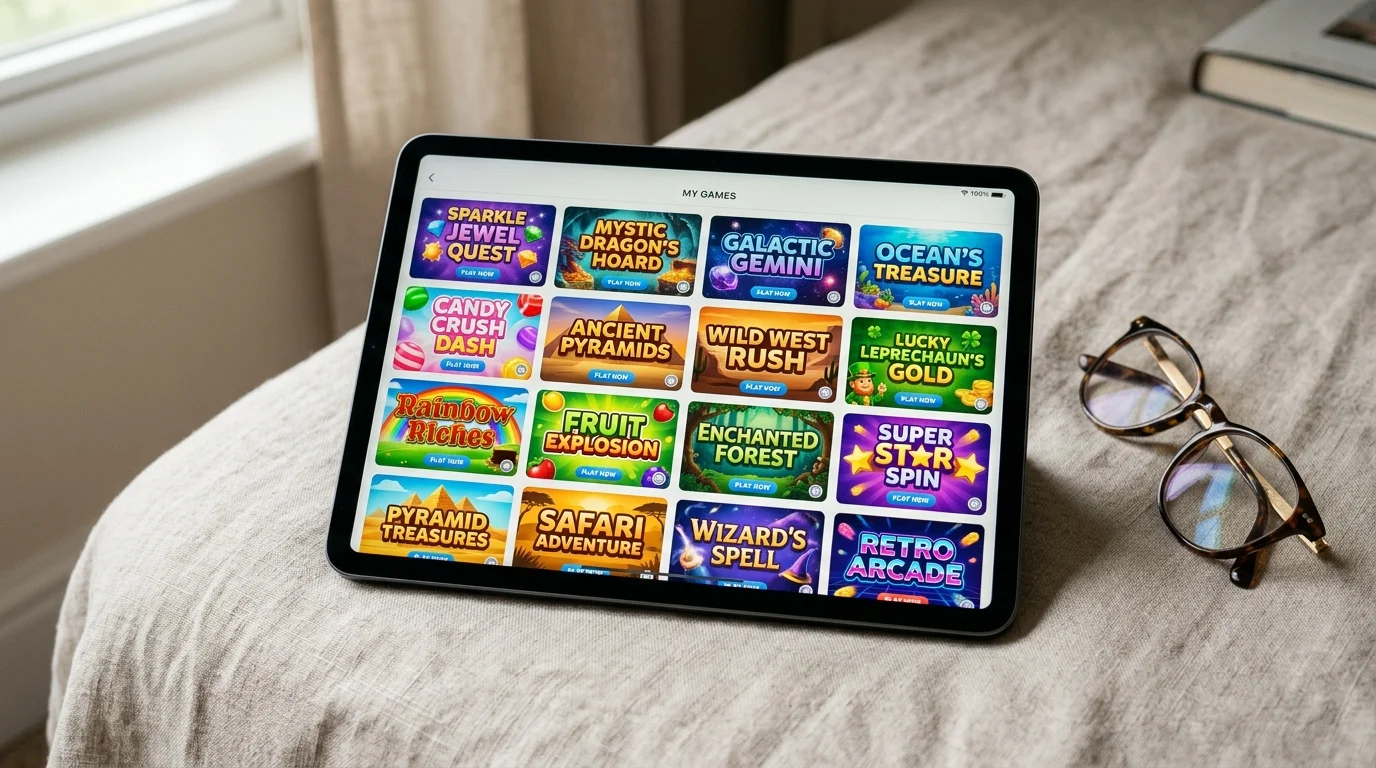
Call them slots, call them instant-win games, call them whatever you like — the point is that Tombola offers a category of games beyond bingo that plays more like a traditional casino title, and these are where the in-house development model gets most interesting. Because Tombola does not license content from external providers, every slot-style and instant-win game on the platform is a Tombola original. That means you are not playing a reskinned version of a game available at fifty other operators. You are playing something that exists only here.
The instant-win category includes scratch-card-style games, number-matching games and pick-and-reveal mechanics. Titles like Pulse, Blocks, Hex and Roll On follow simple premises — match numbers, clear patterns, reveal prizes — but the execution is clean and the interfaces are consistent with the rest of the Tombola platform. These are not games designed to compete with the cinematic production values of a top-tier NetEnt slot. They are lightweight, quick-play titles built for the same demographic that plays bingo: recreational, low-stakes, session-based.
The slot-style games share DNA with the instant-win titles but incorporate reel mechanics. Tombola’s approach to slots is deliberately restrained. You will not find cascading reels, expanding wilds, buy-a-bonus features or the kind of volatile, high-multiplier mechanics that characterise modern third-party slots. What you get instead are straightforward reel games with clear paylines, published RTPs and stake ranges that start at the low end. For players who want the adrenaline of a max-volatility slot, this will feel pedestrian. For players who want a predictable, low-risk format with transparent odds, it is precisely the point.
For a deeper look at Tombola Arcade — the separate platform that carries its own distinct library of scratch cards and instant-win games under a different account system — the dedicated review covers the differences in game selection, RTP ranges and bonus structures between the main platform and Arcade.
What strikes me most about Tombola’s non-bingo titles is how clearly they reflect the company’s identity. There is no attempt to be a general-purpose casino. The games are designed for the same player who buys £1 bingo tickets and enjoys the chat rooms — not the player looking for £10-a-spin slot sessions. That internal consistency is rare in an industry where most operators try to be everything to everyone and end up being nothing memorable to anyone.
Progressive and Fixed Jackpots: Prize Pools and Odds
The maths of jackpots in bingo is fundamentally different from slots, and understanding that difference matters if jackpot games are part of your decision-making.
Tombola runs both progressive and fixed jackpots across its bingo rooms and instant-win games. The progressive jackpots accumulate from a portion of ticket sales across specific rooms, growing until they are won. The speed at which a progressive jackpot builds depends on room traffic — busier rooms with more ticket purchases grow faster — and the jackpot resets to a seed amount after each win. Fixed jackpots, by contrast, pay a predetermined amount for specific achievements: a full house within a certain number of calls, for example, or hitting a particular pattern on an instant-win card.
The odds of winning a bingo jackpot are determined by the number of tickets in play, the number of balls required and the specific win condition. Unlike slots, where the random number generator operates on a fixed probability matrix, bingo jackpots are genuinely influenced by the number of participants. In a room with 200 active tickets, your single ticket has better odds than in a room with 2,000 tickets for the same draw. That dynamic creates a strategic consideration: off-peak rooms with lower ticket counts offer better individual odds, though the prize pools tend to be smaller because fewer tickets contribute to the pot.
Tombola publishes jackpot values in real time within the game interface, so you can see the current prize pool before buying tickets. The jackpot history — recent winners, amounts, dates — is also accessible, which provides some transparency into how frequently jackpots actually get won. This is more information than many bingo operators offer, and it lets players make informed decisions about where to allocate their ticket budget across different rooms and jackpot types.
Progressive Pool Mechanics
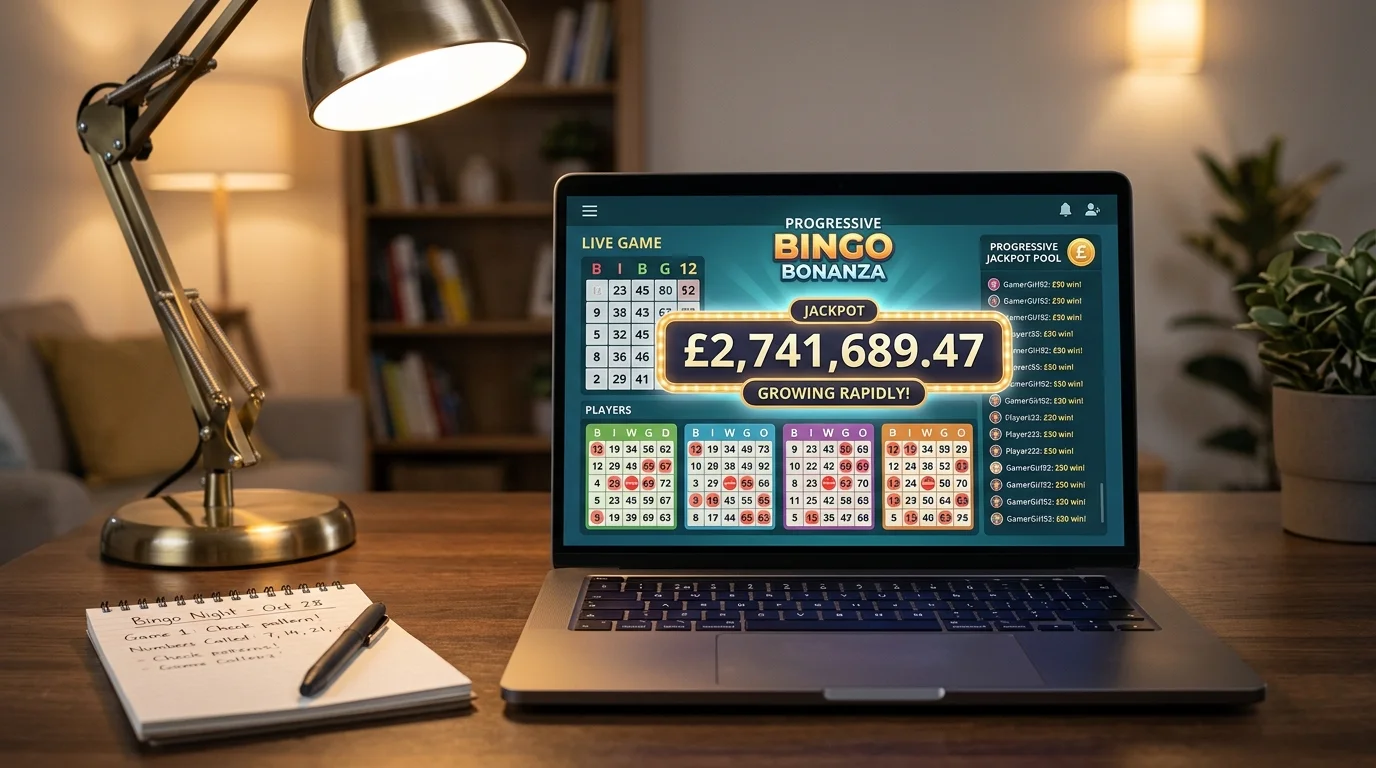
I remember watching a progressive jackpot counter tick up in real time during a particularly busy Friday evening session at Tombola. The number climbed in small increments — pennies and pounds from each ticket purchased across the room — until someone called a full house within a set number of calls and the pool paid out. The mechanic is elegant in its simplicity, but the details matter.
Progressive jackpots at Tombola build from a contribution model. A small percentage of each ticket sale in the eligible room is added to the jackpot pool. The pool carries over from game to game until the triggering condition is met — typically, completing a full house within a specific number of calls. If nobody triggers the jackpot during a game, the pool continues to grow. The longer the jackpot goes unclaimed, the larger it becomes, which in turn attracts more players to the room, which accelerates the growth. This feedback loop is what makes progressive jackpots compelling: the prize pool is directly linked to the community’s participation.
The sizes of Tombola’s progressive jackpots vary by room and by how long the pool has been building. Jackpots are displayed in the game lobby, so players can see the current value before deciding whether to join. Some rooms carry multiple jackpots — a main prize for a full house within a tight call limit and smaller prizes for near-misses or secondary patterns. The tiered structure ensures that even games where the main jackpot is not triggered still pay out meaningful secondary prizes.
One important distinction: Tombola’s jackpots are funded entirely by player contributions within the room. There is no external seeding where the operator injects a starting amount to inflate the headline figure. What you see in the pool is what players have collectively put in, minus the operator’s margin. This transparency is unusual in an industry where seeded jackpots and opaque contribution rates are common.
Fixed Jackpots and Guaranteed Prize Rooms
Not every jackpot at Tombola grows. Fixed jackpots offer a predetermined prize amount regardless of how many players participate. The amount is set before the game begins and is clearly displayed in the room lobby. These prizes tend to be more modest than the peaks of progressive pools, but they are consistent and predictable — qualities that appeal to players who prefer knowing exactly what is available before committing a stake.
Guaranteed prize rooms represent a slightly different model. The operator commits to a minimum prize pool for a specific game, regardless of ticket sales. If ticket sales exceed the guarantee, the prize grows beyond the minimum. If they fall short, the operator covers the difference. Roughly 42 percent of active online bingo players participate in the 90-ball format, which is the variant most commonly associated with guaranteed prize rooms at Tombola’s bingo platform.
The economics of guaranteed prizes require careful management. If an operator consistently sets guarantees above what ticket sales can support, it subsidises play at a loss. If it sets them too low, the rooms feel uninspiring and players migrate to competitors. Tombola’s approach balances guarantee levels with scheduled game times, ensuring that peak-hour games carry larger guarantees that match expected ticket sales, while off-peak games offer smaller but still meaningful prizes.
Winning Odds Across Jackpot Formats
Odds in bingo are more transparent than in most gambling formats, and that transparency is one of the things I appreciate about the game. Your probability of winning a bingo game is determined by a simple ratio: the number of tickets you hold divided by the total number of tickets in play. Buy one ticket in a 100-ticket game, and your chance of winning any given prize is exactly one percent. Buy ten tickets, and it is ten percent. No hidden algorithms, no volatility curves, no return-to-player calculations that require a statistics degree to interpret.
Jackpot odds add a layer of complexity. For progressive jackpots with a call-limit trigger — say, completing a full house within 40 calls — the probability depends not only on how many tickets are in play but also on the mathematical likelihood of any ticket achieving a full house within that number of calls. This second factor is fixed by the game’s number distribution and the number of calls, and it applies equally to every ticket in the room. The more restrictive the call limit, the lower the probability, and the longer the jackpot builds.
For fixed jackpots, the odds are simpler: every ticket has an equal chance, and the prize is paid to the first player to meet the winning condition. The value proposition is straightforward — a known prize, a known probability, and no escalation mechanics that require understanding contribution rates or rollover thresholds.
One practical consideration: buying more tickets increases your probability of winning but also increases your total stake. The expected value of additional tickets decreases as the number of tickets you hold approaches a meaningful fraction of the total in play. In a room with 500 tickets active, holding 50 gives you a ten percent chance — but the cost of those 50 tickets needs to justify the expected return. Players who approach jackpot games with a fixed session budget, rather than chasing a specific outcome, tend to have a more sustainable experience over time.
What is the largest jackpot ever won at Tombola?
Tombola does not publish a public all-time record for its largest jackpot payout. Progressive jackpot values vary by room and accumulation period. Current jackpot amounts for all active rooms are displayed in the game lobby, and some community announcements highlight notable wins.
Do jackpot prizes at Tombola come with wagering requirements?
No. Jackpot winnings at Tombola are paid as real cash and are withdrawable immediately. No wagering requirements, playthrough conditions, or withdrawal caps apply to jackpot prizes. This is consistent with Tombola’s no-wagering bonus policy across the platform.
Are Tombola’s bingo games tested by an independent auditor?
All games on the Tombola platform, including bingo rooms, use random number generators that must be tested and certified by approved independent testing houses as a condition of the UKGC licence. This applies to both the core RNG system and the specific game implementations that use it.
How can I verify that a specific Tombola game uses a certified RNG?
Each game’s information panel displays its RTP data. For verification of the underlying RNG certification, you can confirm that Tombola’s UKGC licence is active and unrestricted on the Gambling Commission’s public register, as maintaining a licence requires ongoing compliance with technical standards including RNG certification.
Where can I see the RTP for each Tombola game?
Each Tombola game includes an information or help section accessible within the game interface. The theoretical RTP is listed there as a percentage. Because Tombola develops all games in-house, these figures are set and published directly by the operator.
Does Tombola’s payout percentage differ between bingo and arcade games?
Yes. Bingo rooms typically have RTPs in the 75 to 85 percent range, reflecting the prize pool structure. Arcade and instant-win games generally sit higher, in the 85 to 95 percent range, with the exact figure varying by title.
RTP and Fairness: Where to Find the Numbers
RTP — return to player — is the single most important number in any gambling game, and it is the number that the majority of players never check. That is partly an industry problem: many operators bury RTP data in help files, terms and conditions, or regulatory submissions that are technically public but practically invisible. Tombola handles this better than most.
Each game on the Tombola platform displays its RTP within the game information section, accessible before you start playing. For bingo rooms, the RTP reflects the percentage of ticket revenue returned to players as prizes — this is distinct from the “house edge” on a slot, though the concept is analogous. A bingo room with an 80% RTP returns 80p of every pound spent on tickets as prizes, with the remaining 20p covering the operator’s margin and jackpot contributions.
For instant-win and slot-style games, the RTP operates more conventionally: it represents the theoretical long-term return percentage based on random outcomes. Tombola’s instant-win titles typically sit in a range that is competitive with the broader market, though direct comparisons with third-party slots require caution because game mechanics and volatility differ substantially.
The fairness verification process is internal — Tombola does not use a separate third-party testing house like eCOGRA or iTech Labs in the way that operators running external game suppliers do. Instead, the random number generation and game outcomes are audited as part of the UKGC licensing requirements, which mandate that all games on licensed platforms meet technical standards for randomness and payout accuracy. The UKGC’s testing framework covers both the RNG algorithms and the statistical output of live game data, ensuring that published RTPs align with actual player returns over statistically significant sample sizes.
If you want to verify RTP before playing any specific game, the information is accessible from within the game lobby. Tap or click the information icon associated with any title, and the RTP and basic game rules are displayed. It takes ten seconds, and it is ten seconds well spent. Knowing the RTP does not change the outcome of any individual session, but it does tell you how much of your money, on average, is being returned over time — and that is the foundation of informed play.

How RNGs Work at Tombola
Every outcome on Tombola — which number is called in a bingo game, which symbols appear on a scratch card, which result triggers on an arcade game — is determined by a random number generator. The RNG is a software algorithm that produces sequences of numbers with no discernible pattern, no predictability, and no correlation between consecutive outputs. The outcome of your current game is independent of the outcome of your previous game, independent of how much you have deposited, and independent of how long it has been since the last win.
I am regularly asked whether online bingo games are “truly random.” The honest answer is that they are pseudorandom — generated by deterministic algorithms seeded with unpredictable inputs — rather than derived from quantum-level physical randomness. In practice, the distinction is irrelevant to players. Certified pseudorandom number generators produce output that is statistically indistinguishable from true randomness across any sequence length that a human player will ever experience. The patterns that players perceive — “this room has not paid out in an hour” or “I always lose after a big win” — are artefacts of human pattern recognition applied to random data, not evidence of non-random outcomes.
What makes Tombola’s RNG situation distinct from multi-provider platforms is that every game uses Tombola’s own RNG implementation. On a platform that licenses games from ten different studios, each studio certifies its own RNG independently. On Tombola, a single RNG infrastructure underpins the entire game library. This creates a single point of verification — if the RNG is certified, every game on the platform inherits that certification — but also a single point of dependency. The integrity of every game rests on the integrity of one system.
Independent Audits and UKGC Testing Requirements
UK licensing conditions require operators to use RNG systems that have been tested and certified by approved independent testing houses. These are specialist firms that evaluate the mathematical properties of the RNG output, verify that it meets statistical randomness standards, and confirm that the game mechanics produce outcomes consistent with the published RTPs. The testing process involves analysing large samples of RNG output for patterns, biases and correlations that would indicate non-random behaviour.
The UKGC carried out 9,700 compliance actions in 2024/25, up from 4,200 in the previous year. Not all of those relate to game fairness — the majority cover advertising, anti-money-laundering and responsible gambling compliance — but the enforcement volume reflects a regulatory environment where technical compliance, including game fairness, is subject to active scrutiny rather than passive assumption.
For Tombola, the certification applies to both the core RNG algorithm and the specific implementation in each game. A certified RNG can still produce unfair outcomes if the game logic that uses the RNG output is flawed — for example, if a bingo game’s number-calling routine inadvertently favours certain number ranges, or if a scratch card’s prize allocation does not match the published prize table. The testing process covers both layers: the randomness of the raw output and the fairness of the game that uses it.
Certification is not a one-time event. Changes to the RNG software, updates to game mechanics, and the introduction of new games all trigger additional testing requirements. The regulatory framework assumes that software changes can introduce new issues, so any material modification to a certified system requires re-evaluation. This ongoing testing cycle is particularly relevant for Tombola because the platform regularly updates its in-house games — a new scratch card title, a modification to bingo room prize structures, or a change to the arcade game lineup all fall within the scope of the testing requirements.
Where Tombola Publishes Fairness Data
RTP figures for individual games are accessible through the game information panels on the platform. Each game displays its theoretical return to player percentage — the proportion of all money wagered that the game is designed to return to players over its lifetime. These figures are calculated mathematically from the game design rather than measured empirically from a specific player’s results, which is why short-term outcomes can deviate significantly from the published RTP without indicating any unfairness.
The platform also provides general information about its licensing, regulatory status and commitment to fair play through its terms and conditions and help sections. The UKGC licence number is displayed in the site footer, and the licence itself is verifiable directly on the UKGC’s public register. Any player can check whether the licence is current, whether it carries any conditions or restrictions, and whether the UKGC has taken any enforcement action against the operator.
What Tombola does not publish — and this is consistent with industry practice rather than an omission — is granular data on actual versus theoretical RTP performance over specific periods. Some operators in other markets, notably those licensed in jurisdictions with specific reporting requirements, publish monthly or quarterly reports showing actual payout percentages. The UK does not currently require this level of public disclosure, so the fairness assurance rests on the certification and testing framework rather than ongoing public reporting.
For players who want to verify game fairness independently, the practical options are limited but meaningful. Check the UKGC register to confirm the licence is active and unrestricted. Review the RTP information for each game before playing. Report any suspected irregularities to the UKGC directly — the regulator treats player complaints as one input into its compliance monitoring. And understand the mathematics: short-term results are inherently volatile, and losing streaks that feel abnormal are statistically expected when playing games with any positive house edge.
Are Tombola’s bingo games tested by an independent auditor?
All games on the Tombola platform, including bingo rooms, use random number generators that must be tested and certified by approved independent testing houses as a condition of the UKGC licence. This applies to both the core RNG system and the specific game implementations that use it.
How can I verify that a specific Tombola game uses a certified RNG?
Each game’s information panel displays its RTP data. For verification of the underlying RNG certification, you can confirm that Tombola’s UKGC licence is active and unrestricted on the Gambling Commission’s public register, as maintaining a licence requires ongoing compliance with technical standards including RNG certification.
What “Payout Percentage” Actually Means
A colleague once described RTP as “the number everyone quotes and almost nobody understands.” He was right. An RTP of 95 percent does not mean you will get £95 back for every £100 you spend in a single session. It means that over millions of game rounds, the theoretical return converges to 95 percent of all money wagered. Your individual session can land anywhere — a £500 win from a £5 stake, or a complete loss of your entire deposit.
Online slots across the UK generated GGY of £773 million in Q1 2026 alone, with 25.1 billion spins recorded across the market. Those aggregate numbers are where RTP manifests: the industry’s gross gambling yield is the gap between what players wager and what games return. A higher RTP means a smaller gap; a lower RTP means a wider one. Max Trafimovich of SOFTSWISS put it well when he observed that compliance and responsible gambling are becoming central to product strategy in iGaming — RTP transparency is part of that shift.
For bingo specifically, RTP works differently than for slots. In a bingo room, the payout percentage is a function of the prize pool relative to the total ticket sales. If a room sells £1,000 in tickets and distributes £800 in prizes, the effective RTP is 80 percent. The remaining 20 percent is the operator’s margin. Tombola’s bingo rooms tend to offer higher proportional prize pools than competitors running bingo as a loss-leader alongside a casino portfolio.
Published RTP Data Across the Game Library
Tombola publishes RTP information for its games within the platform. Each game’s help or information section includes the theoretical return, expressed as a percentage. Because Tombola develops all of its titles in-house, it has full control over these figures — there is no negotiation with a third-party provider about which RTP version to deploy.
Bingo room RTPs at Tombola vary depending on the room, the ticket price, and the jackpot structure. Rooms with progressive jackpots tend to have a slightly lower base RTP because a portion of each ticket sale feeds the jackpot pool. Rooms with fixed prizes offer a more predictable return profile. The range across Tombola’s bingo rooms generally sits between 75 and 85 percent, which is in line with or above industry norms for online bingo.
Arcade and instant-win games carry their own RTP figures, typically listed in the game’s information panel. These titles function more like slots in their payout mechanics: the RTP is calculated over a large number of plays, and individual outcomes are determined by a certified random number generator. Tombola’s arcade RTPs tend to sit in the 85 to 95 percent range, varying by title and prize structure.
The in-house development model gives Tombola a transparency advantage that is easy to overlook. When an operator uses third-party game providers, the RTP can vary by contract — some providers offer multiple RTP settings for the same game, and the operator chooses which version to deploy. Tombola does not face this complexity. The RTP is what the internal team sets, and it applies uniformly across all players on the platform. For a deeper look at how Tombola’s game library is structured, the full catalogue breakdown covers each category.
Tombola’s Payout Rates vs UK Industry Averages
Placing Tombola’s numbers in context requires looking at industry-wide data. Despite the introduction of online stake limits — £5 for adults over 25 and £2 for 18 to 24-year-olds — GGY from online slots rose 10 percent year-on-year to record levels by Q3 2025, with spin volume increasing 7 percent to 25.7 billion. That growth despite lower stakes implies stable or slightly increasing player engagement, not a contraction in payout generosity.
UK online slots typically operate with RTPs between 92 and 97 percent. Bingo platforms generally offer lower headline RTPs — in the 75 to 85 percent range — but the comparison is misleading without accounting for play volume and session length. A bingo player spending £5 across an evening of community-oriented play has a fundamentally different economic exposure to a slots player cycling through £5 stakes at 600 spins per hour.
Tombola’s payout profile reflects its positioning as a low-stakes, recreational platform. The RTPs are competitive within the bingo segment, and the arcade titles sit comfortably within the broader online gaming range. What Tombola does not do is artificially inflate headline RTP figures to attract high-frequency players — the platform’s economics are built around retention through community and gameplay quality rather than through payout-rate marketing.
One nuance worth highlighting: bingo RTP is partially influenced by the number of players in a room. When a room is full, the prize pool is larger relative to ticket cost, which can effectively increase the payout percentage. Tombola’s popularity — the platform had roughly 400,000 average monthly players at acquisition — means its rooms tend to fill consistently, which benefits the overall prize pool dynamics. A less popular platform running the same game at the same ticket price but with fewer players would generate a smaller prize pool and, by extension, a lower effective RTP.
Reading the Numbers With the Right Frame
Payout percentages are essential data, but they tell you about long-term statistical outcomes, not about what will happen in your next session. Tombola’s in-house development model means its RTP figures are set, published, and verified within a single pipeline — no third-party version confusion, no contract-dependent rate changes. For a platform serving a primarily recreational audience, that consistency matters more than chasing the highest possible headline number.
Where can I see the RTP for each Tombola game?
Each Tombola game includes an information or help section accessible within the game interface. The theoretical RTP is listed there as a percentage. Because Tombola develops all games in-house, these figures are set and published directly by the operator.
Does Tombola’s payout percentage differ between bingo and arcade games?
Yes. Bingo rooms typically have RTPs in the 75 to 85 percent range, reflecting the prize pool structure. Arcade and instant-win games generally sit higher, in the 85 to 95 percent range, with the exact figure varying by title.
New Releases and Game Rotation Schedule
One of the trade-offs of building everything in-house is cadence. An operator licensing content from ten third-party suppliers can add dozens of new titles per month without developing anything. Tombola’s release schedule is, by necessity, slower. New games appear periodically rather than weekly, and each release represents a meaningful addition to the library rather than a minor variation on an existing template.
Tombola’s development team — over 700 employees were on staff at the time of the Flutter acquisition, a significant portion of whom work in technology and product roles — builds, tests and iterates each game internally before it reaches the live platform. The testing phase includes both technical validation and player behaviour analysis, using data from the existing player base to refine mechanics before a full launch. This process produces polished, stable releases, but it means the library grows slowly compared to the assembly-line output of multi-supplier platforms.
Game rotation is the mechanism Tombola uses to keep the library feeling fresh without requiring a constant flow of brand-new titles. Certain bingo room variants, instant-win games and promotional titles rotate in and out of availability on a schedule. A game that runs for three months might be replaced by a different variant, then return later in the year. This approach creates a sense of novelty and prevents the catalogue from becoming stagnant, while also giving the development team data on which formats resonate most strongly with players.
For players accustomed to platforms where hundreds of new slots appear monthly, Tombola’s pace will feel glacial. For players who prefer a curated, consistent library where every title has been built specifically for the platform, the slower cadence is part of the appeal. It comes down to whether you value breadth or depth — and Tombola has made its choice very clearly.
The Flutter acquisition has introduced an additional dimension to the release pipeline. In July 2025, Flutter launched its first bingo network through a partnership between Sisal and Tombola, integrating Tombola’s game product onto the broader Flutter technology platform. That kind of cross-brand deployment could accelerate development by giving the Tombola team access to Flutter’s engineering resources, though the specifics of how this affects release cadence on the main UK platform remain to be seen. What is clear is that Tombola’s games are no longer just a single-platform product — they are becoming part of a multinational portfolio, which changes the economics of game development in a way that should benefit players over time.
Game-Related Questions
What is the highest RTP game available at Tombola?
RTP varies across Tombola’s game library, and the specific figures are published within each game’s information section on the platform. Bingo rooms and instant-win titles carry different RTP ranges, so the highest-returning game depends on the category. Check the in-game information icon for any title before playing to see its current RTP.
Does Tombola add third-party games from providers like Playtech or Pragmatic Play?
No. Tombola develops its entire game library in-house. There are no third-party titles on the platform from any external provider. Every bingo room, instant-win game and slot-style title is built by Tombola’s own development team. This is a deliberate business model, not a temporary gap in the catalogue.
How often does Tombola release new games?
Tombola releases new games periodically rather than on a fixed weekly or monthly schedule. Because all titles are developed internally, the release cadence is slower than platforms that license content from multiple suppliers. Game rotation — where existing titles cycle in and out of availability — supplements new releases to keep the library varied.