
 Available in US
Content
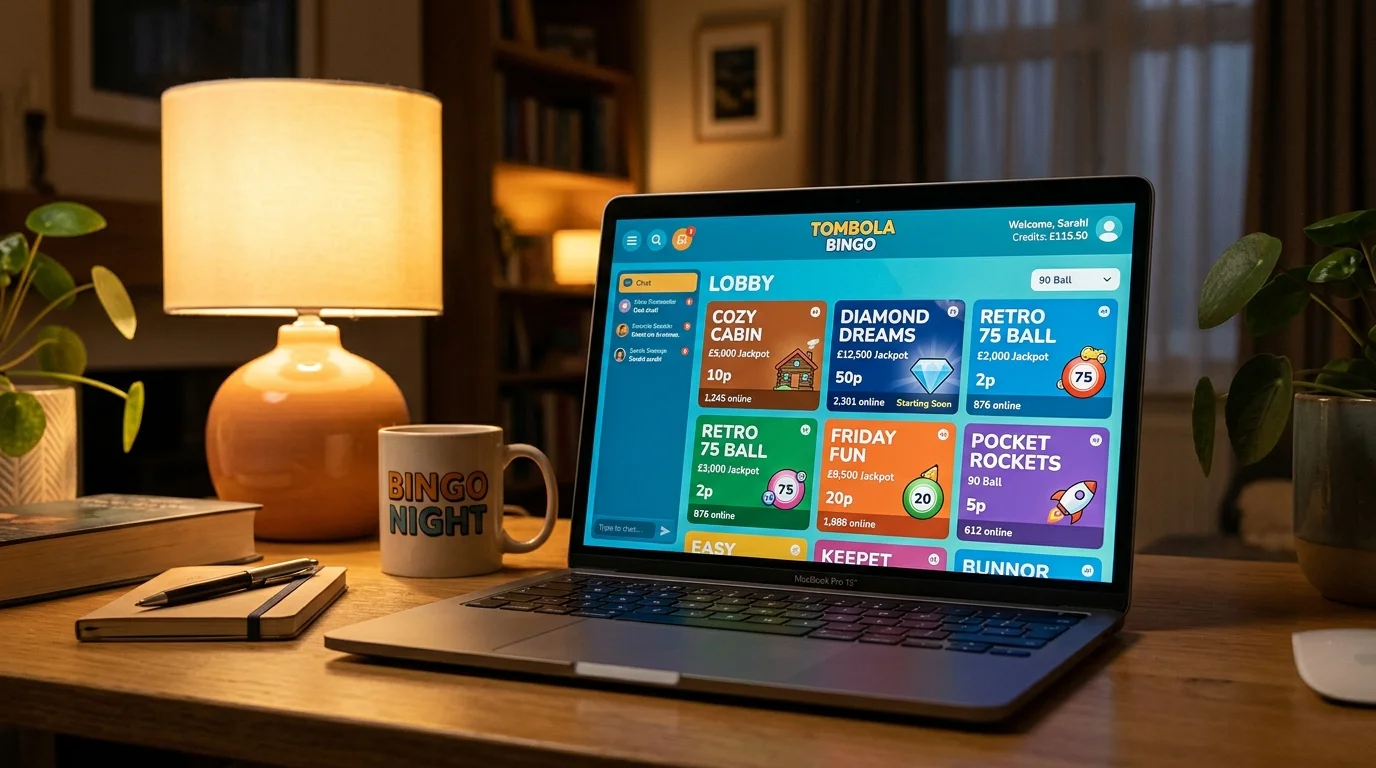
The global online bingo market hit $3.22 billion in 2025 and is growing at a 6.5 percent compound annual rate. Most of that growth is being captured by operators that treat bingo as one tab among dozens — a sideshow next to slots, table games and live dealer studios. Tombola does the opposite. The entire platform architecture revolves around bingo, and that distinction is not cosmetic. It shapes the room design, the pricing, the community features and the way promotions work. Peter Jackson, Flutter’s CEO, described Tombola’s appeal during the acquisition as built on “product expertise, highly recreational customer base and focus on sustainable play” — and bingo is where that focus is most visible.
I have spent eight years reviewing platforms that call themselves bingo sites, and most of them are casinos with a bingo room attached. Tombola is the exception that proves why the category distinction matters.
Room Types and Ticket Price Range
My first session on Tombola, years ago, involved accidentally buying 50p tickets for a game that lasted three minutes. I learned two things: bingo moves fast online, and Tombola’s room structure is deliberately built to accommodate every budget level without hiding the cheap options at the bottom of a menu.
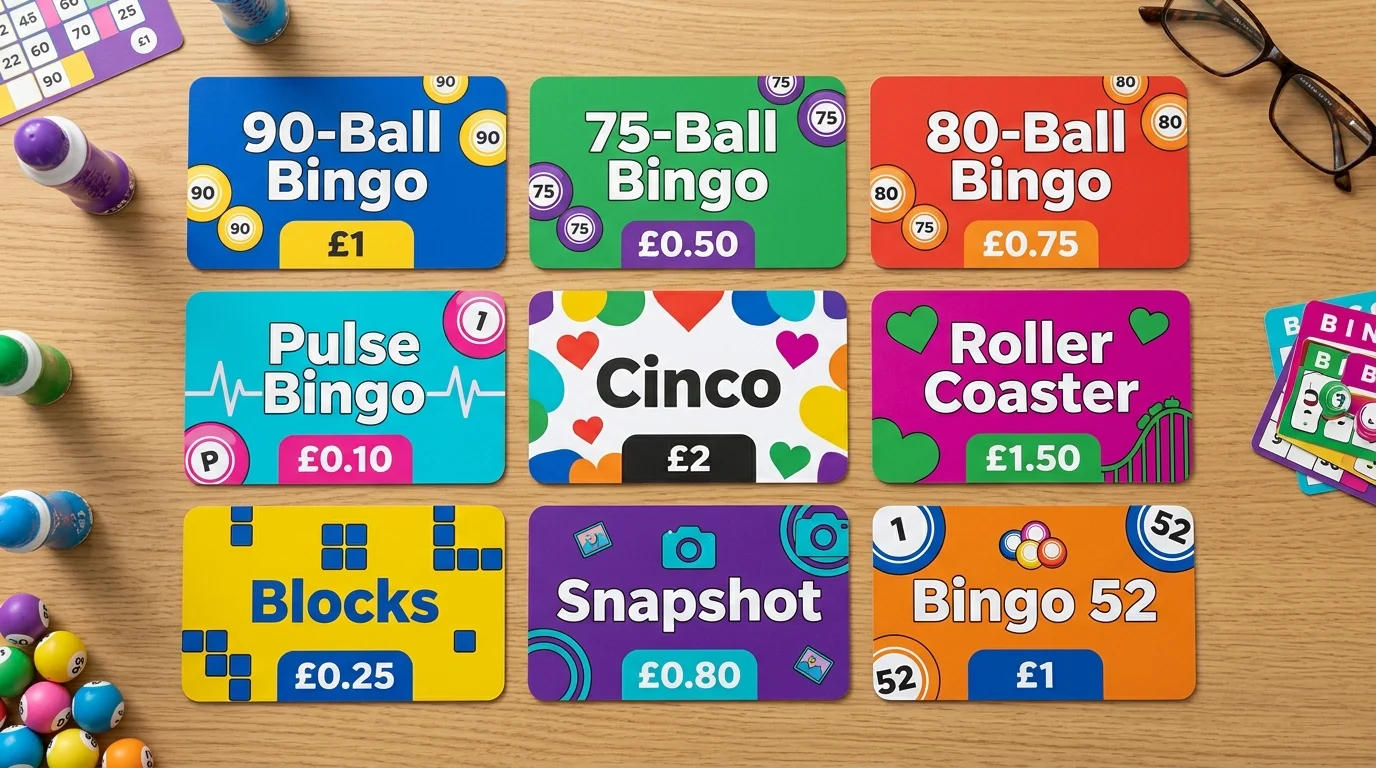
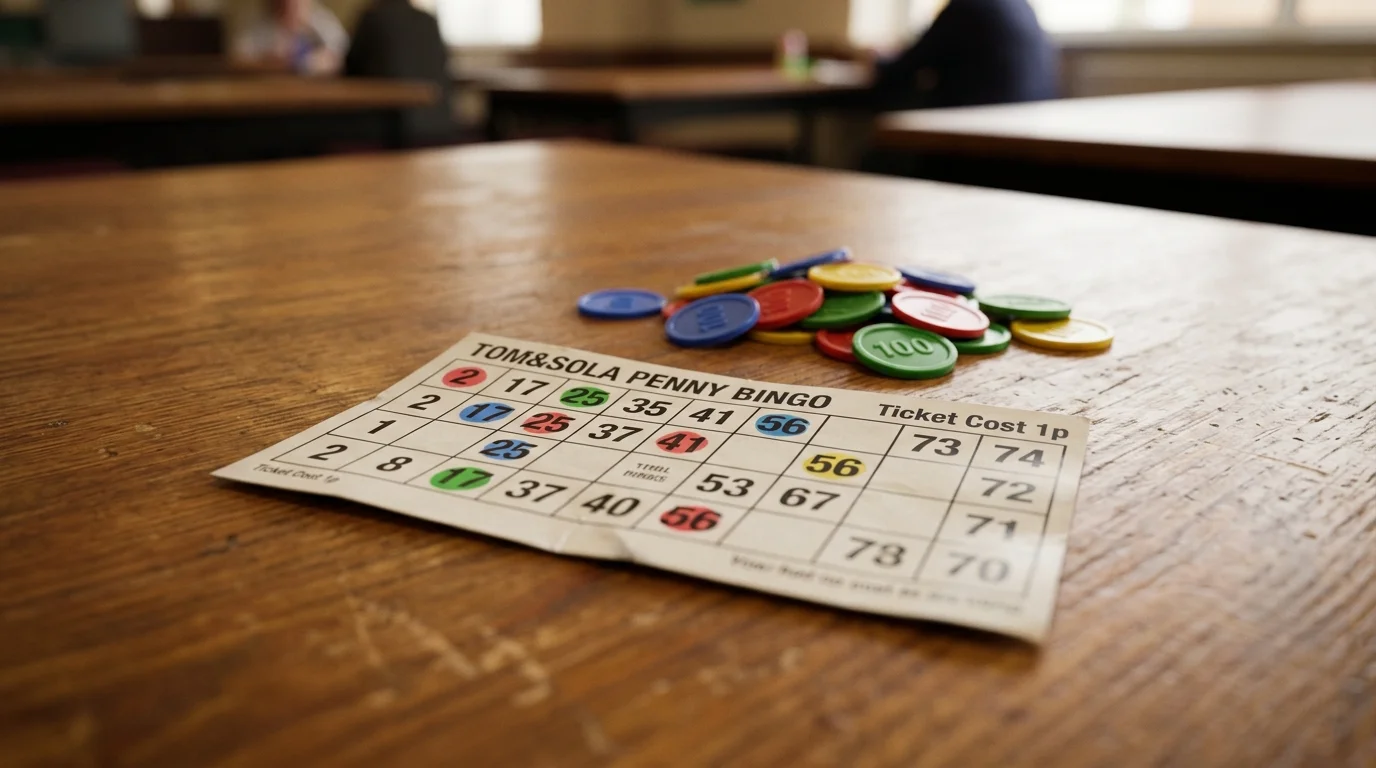
The platform runs multiple room types simultaneously. The flagship format is 90-ball bingo, which operates across several themed rooms with varying ticket prices. Prices start in the low pence range — penny bingo rooms are a genuine feature, not a marketing label — and scale up to rooms with higher stakes and correspondingly larger prize pools. Between the cheapest and most expensive rooms, the range covers casual players spending a few pounds per session and those comfortable with higher-value tickets.
Beyond 90-ball, Tombola runs its own variations on standard bingo formats. These are not third-party games licensed from external providers. Every room is developed in-house, which gives Tombola control over the game mechanics, the user interface and the prize distribution. The practical impact for players is consistency: the interface works the same way across rooms, the auto-dab function is standardised, and the chat system is integrated identically regardless of which room you enter.
Room schedules rotate throughout the day. Some rooms run continuously, while others operate at scheduled intervals with specific start times. The schedule is visible on the lobby page, and pre-purchasing tickets for upcoming games is straightforward. Peak hours — typically evenings and weekends — see higher player counts, which means larger prize pools but also more competition per ticket. Off-peak sessions tend to have smaller pools but better odds per ticket purchased.
Who Plays Tombola Bingo: Demographics and Player Profile
A colleague once told me that bingo sites are “for women over 50 who want something to do on a Tuesday evening.” He was partly right about the demographic data but entirely wrong about the implication. The bingo audience is overwhelmingly female — industry surveys and Bingo Association demographic data consistently place women at roughly three-quarters of all bingo players, with the majority aged between 35 and 64. That is not a limitation of the product; it is a reflection of who the product serves well.
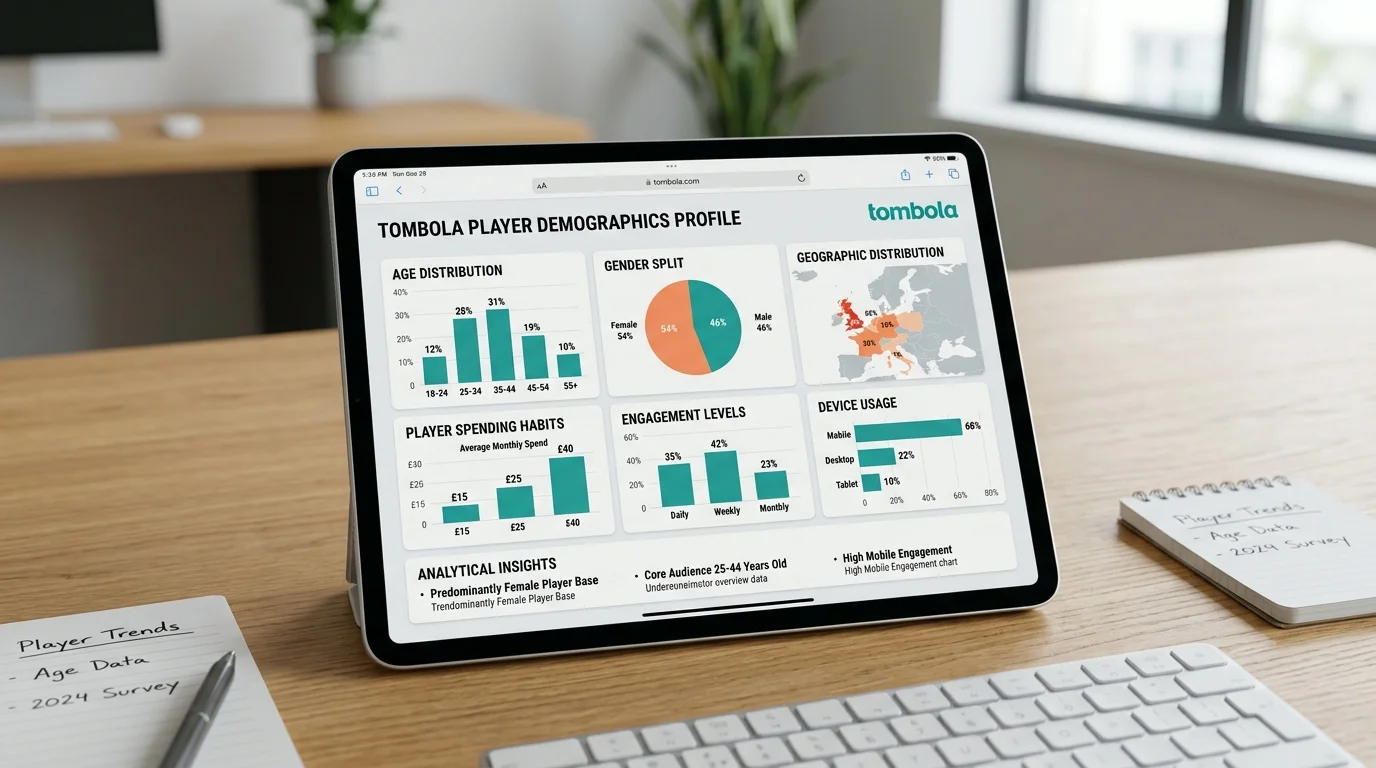
Tombola takes a deliberate approach to this demographic reality. Rather than leaning into pink-and-purple design stereotypes, the platform uses a gender-neutral marketing strategy that attracts a more balanced player base than most competitors achieve. The interface avoids the heavy-handed feminisation that characterises many bingo sites, and the promotional messaging focuses on the games themselves rather than lifestyle imagery.
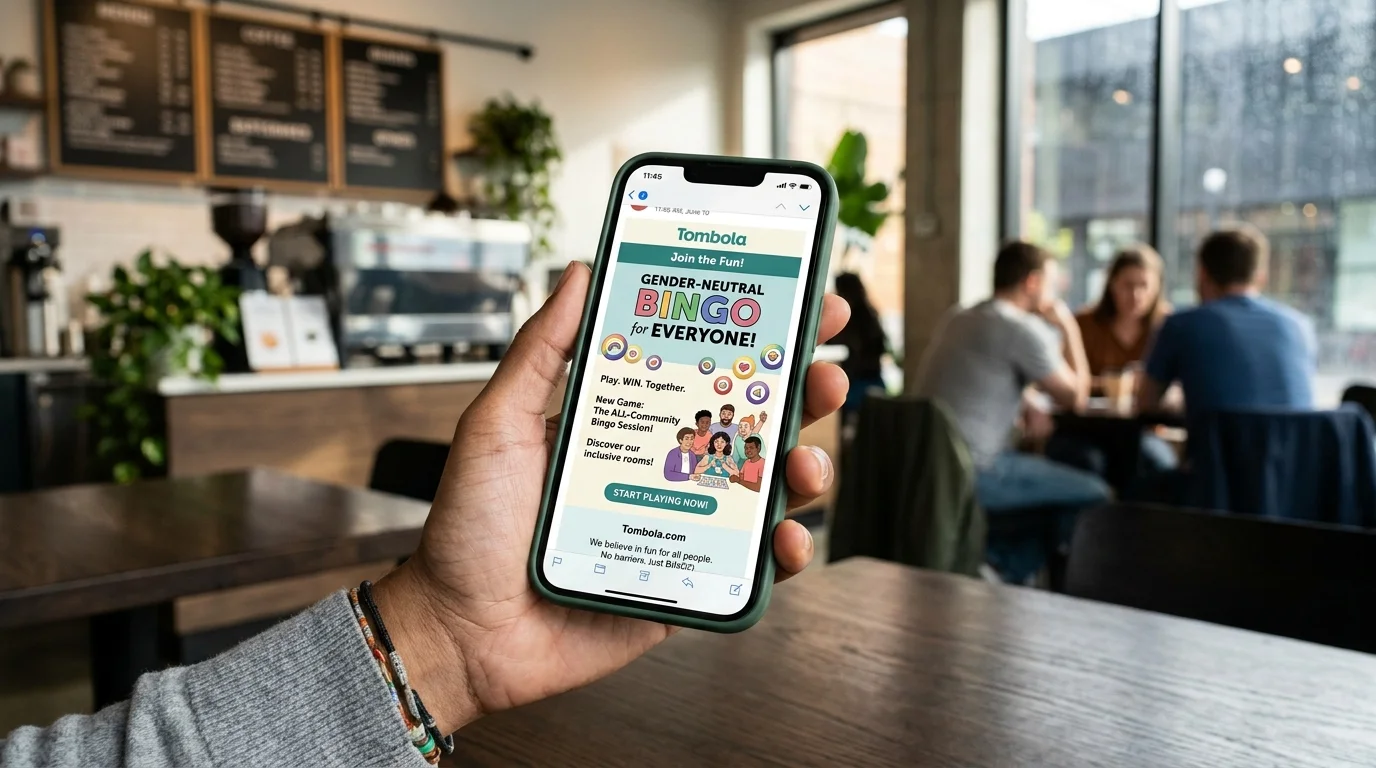
The result is a player community that skews older and more recreational than the typical online casino audience. Sessions tend to be shorter, spend per player tends to be lower, and the social features — particularly the chat rooms — see genuine engagement rather than functioning as decoration. This demographic profile also explains why Tombola’s approach to responsible gambling is structured the way it is: the audience responds to practical tools rather than regulatory-language pop-ups, and the platform’s design reflects that understanding.
What the demographic data does not capture is the community aspect. A significant portion of Tombola’s regular players treat the platform as a social activity first and a gambling activity second. The chat rooms function as the primary social layer, and the chat hosts — paid moderators who facilitate conversation and run mini-games — create a dynamic that has no equivalent on casino-first platforms.
Bingo-First vs Casino-First: Why the Distinction Matters
I reviewed a platform last year that advertised “over 200 bingo rooms” on its homepage. Clicking through revealed four actual bingo rooms and 196 slot games that happened to have bingo-themed names or bonus rounds. This kind of category inflation is common, and it is why the distinction between bingo-first and casino-first platforms matters for anyone specifically looking for bingo.
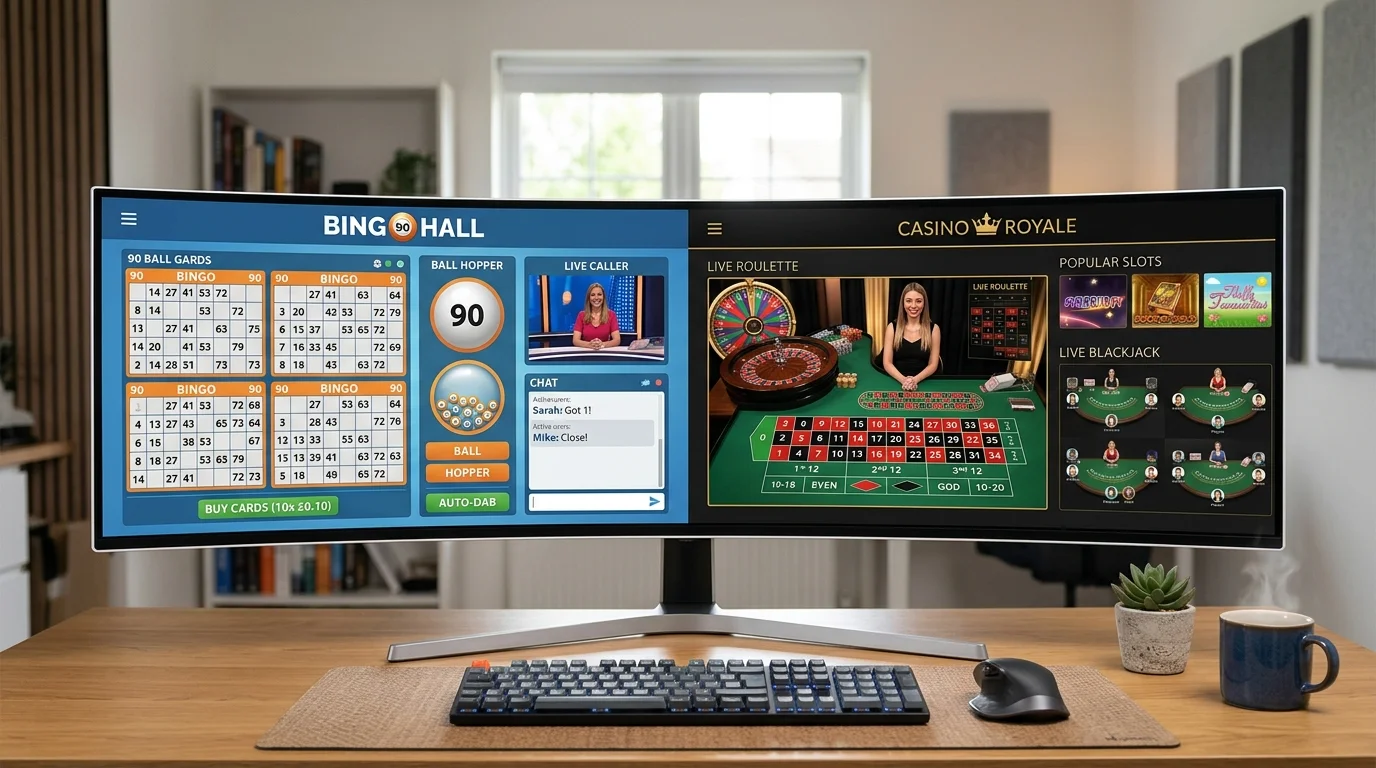
A bingo-first platform like Tombola designs its lobby around bingo rooms. The homepage shows active rooms, upcoming games and current jackpots — not a grid of slot thumbnails with a bingo link buried in the navigation. The promotional structure is built around bingo activity: loyalty rewards, seasonal events and community features all centre on bingo gameplay rather than slot wagering.
Casino-first platforms that offer bingo treat it as an acquisition channel. The bingo room gets players through the door; the cross-selling into slots, table games and live casino generates the revenue. That business model produces a different player experience: bingo rooms are under-invested, community features are minimal, and the promotional calendar pushes players toward higher-margin products. None of this is inherently dishonest, but it is worth understanding if your primary interest is actually playing bingo.
Tombola’s commitment to bingo extends to its development priorities. Every game on the platform is built by Tombola’s in-house team — there are no third-party providers supplying generic bingo software. This means the games play differently from what you find on multi-provider platforms. The interface has its own design language, the game mechanics have variations that do not exist elsewhere, and the RTP structures are set by Tombola rather than inherited from an external supplier. Whether you prefer this approach or would rather have access to the wider market of third-party bingo software is a matter of personal preference, but the trade-off is clear: exclusivity and consistency versus variety and familiarity.
The financial structure reinforces the bingo-first identity. Tombola’s bonus model carries no wagering requirements, which is unusual in the industry and particularly unusual for platforms that generate most of their revenue from bingo rather than high-margin casino products. The absence of wagering requirements means that bonus funds function identically to deposited funds — there is no separate playthrough target to meet before withdrawal becomes available. For bingo players specifically, this removes one of the most common sources of frustration on competing platforms.
Is Tombola primarily a bingo site or a casino?
Tombola is a bingo-first platform. The entire product is designed around bingo rooms, with arcade and instant-win games as secondary features. There are no third-party slots, live dealer tables or traditional casino table games. Every game on the platform is developed in-house by Tombola’s own team.
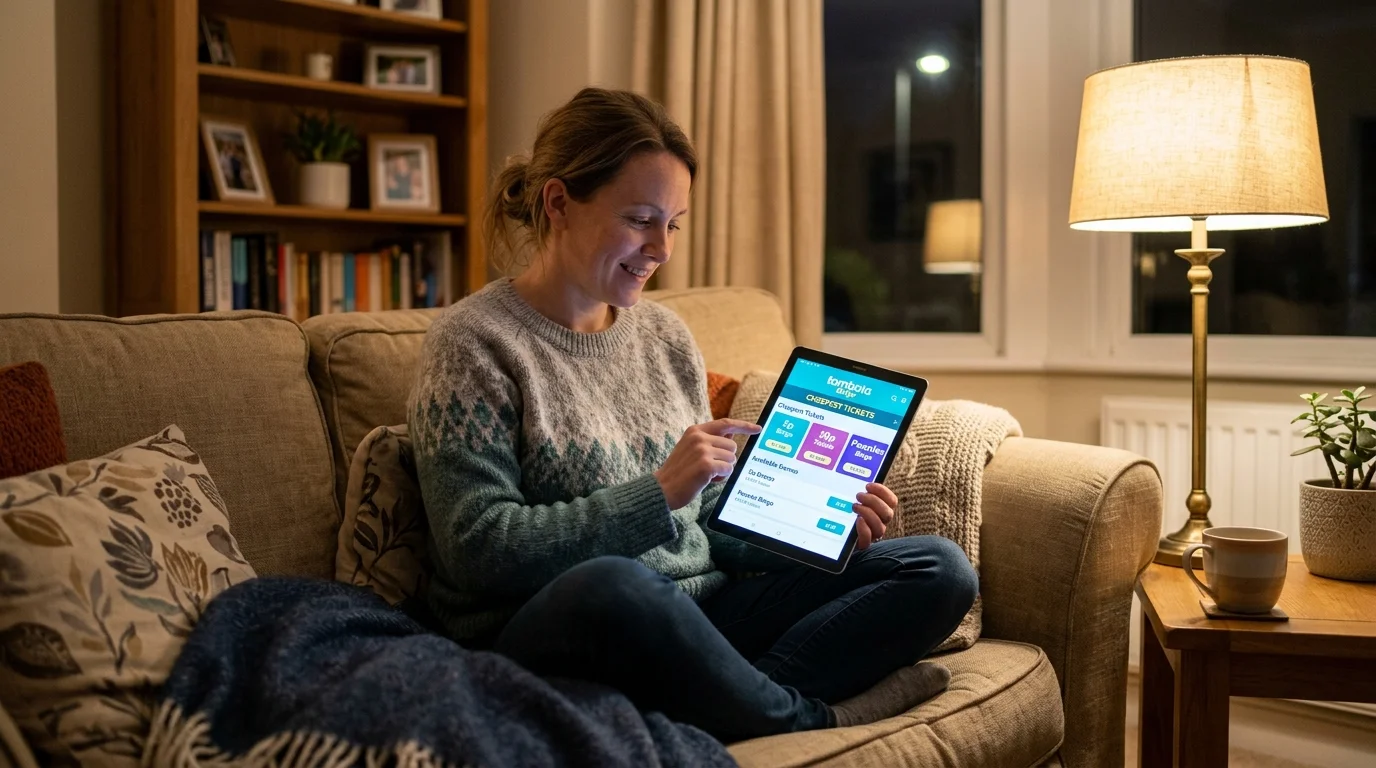
What is the cheapest bingo ticket available at Tombola?
Tombola operates penny bingo rooms where tickets start from 1p. Multiple rooms run at low price points throughout the day, making it accessible for players on any budget. The lobby displays current ticket prices for all active and upcoming rooms.