
 Available in US
Content

April 2026 brought the most significant package of gambling tax and regulatory changes the UK has seen in over a decade. Remote Gaming Duty nearly doubled. Bingo Duty was abolished entirely. Online stake limits, introduced the previous year, continued reshaping how platforms structure their games. I have been tracking these shifts since the Gambling Act White Paper in 2023, and the cumulative effect on operators like Tombola is now substantial enough to warrant a detailed breakdown.
Remote Gaming Duty: From 21% to 40% and What It Costs Operators
The headline number hit the industry like a cold shower. Remote Gaming Duty — the tax levied on the profits of online gambling operators serving UK customers — rose from 21 percent to 40 percent in April 2026. The increase was announced in the Autumn Budget 2025 and confirmed in the Finance Act 2026. The government projected the combined gambling tax reforms would raise £810 million in the 2026/27 fiscal year.

Grainne Hurst, CEO of the Betting and Gaming Council, called the increases “a devastating hammer blow to tens of thousands of people working in the industry across the UK, and millions of customers who enjoy a bet.” The language was not subtle, and neither was the impact. A tax rate of 40 percent on gross gaming yield leaves operators with significantly less margin to fund promotions, invest in technology, or absorb the costs of regulatory compliance that have been rising in parallel.
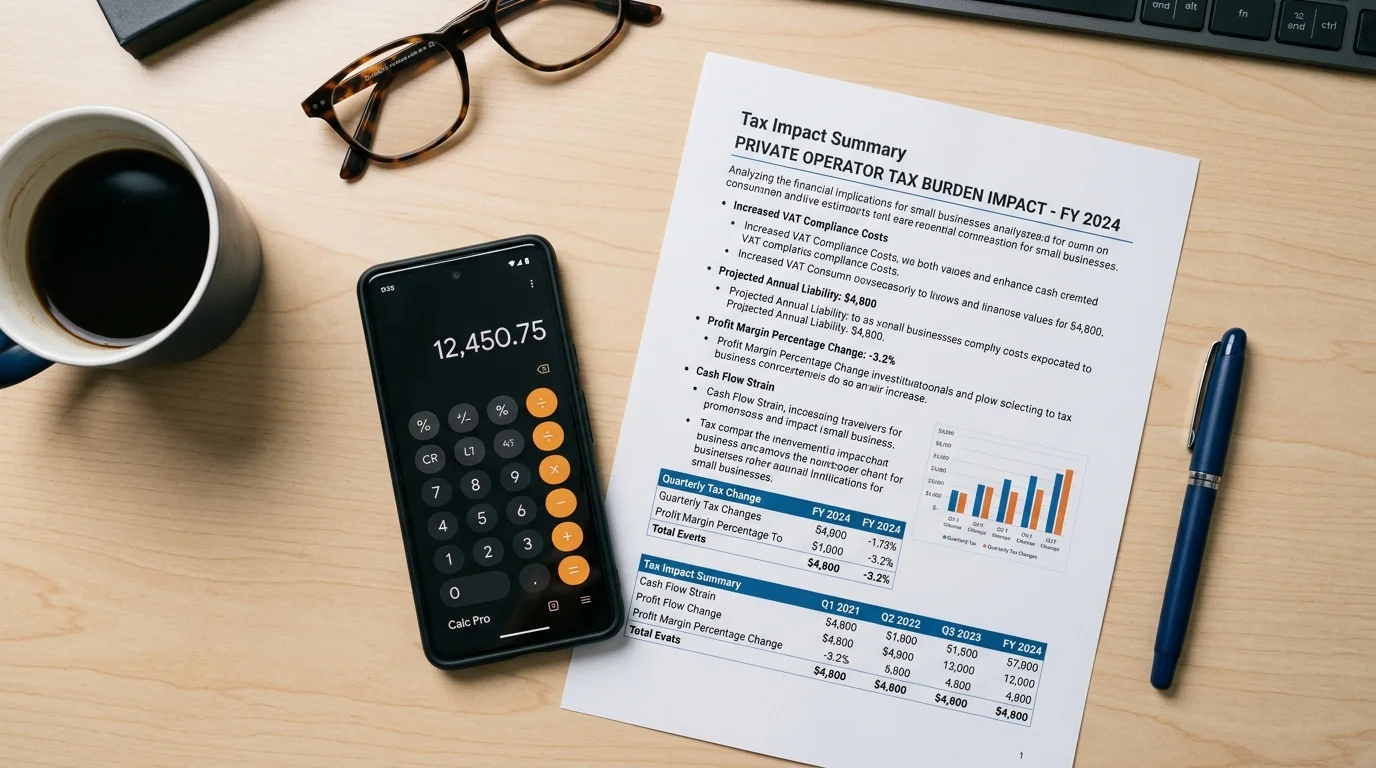
For Tombola specifically, the RGD increase applies to all online gaming revenue generated from UK customers. As part of Flutter Entertainment’s UKI segment, Tombola’s tax burden is absorbed within a larger corporate structure — but the economics are the same regardless of ownership. Every pound of GGY now returns 60 pence to the operator before operating costs, down from 79 pence under the previous rate. That compression is felt across the product: in bonus generosity, in technology investment, and in the speed at which new features reach players.
Bingo Duty Abolished: Why the Government Made an Exception
While online operators absorbed a near-doubling of their tax rate, bingo received a carve-out that surprised much of the industry. Bingo Duty — a 10 percent levy on bingo profits that had applied to both land-based halls and certain online bingo formats — was abolished entirely from April 2026.
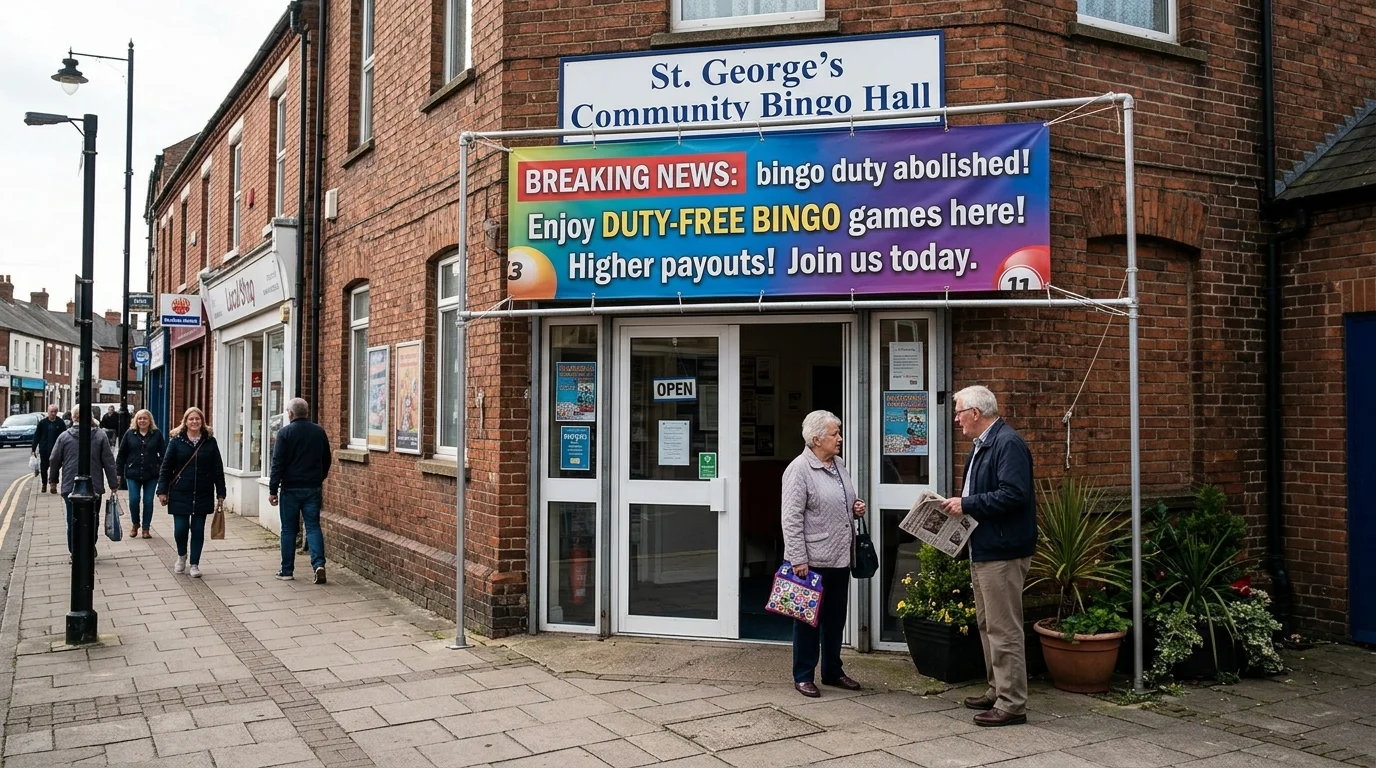
Rachel Reeves, the Chancellor, framed the decision in explicitly social terms: “I am abolishing bingo duty entirely from April 2026. This will protect around 7,000 jobs and safeguard community spaces that are so important across the country and in all of our constituencies.” The abolition reflected a political reality: bingo halls serve a community function that extends beyond gambling, particularly for older demographics and in areas with limited social infrastructure. Closing them would have generated visible, localised harm that the government was unwilling to accept.
The practical effect on Tombola is nuanced. Tombola is primarily an online operator, and its core revenue falls under Remote Gaming Duty rather than Bingo Duty. However, the abolition of Bingo Duty benefits the broader bingo ecosystem — land-based halls that remain open continue to introduce players to the format, some of whom migrate to online platforms like Tombola. The approximately 250 bingo halls protected by the abolition represent a pipeline of potential online players that would have been lost if the halls had closed.
The contrast between the two tax changes is striking. Online gambling saw its tax burden nearly double; bingo received full relief. The government’s message was clear: not all gambling is treated equally, and the social and community value of a format influences how aggressively it is taxed. For an operator whose identity is built around bingo, the regulatory distinction carries weight — it reinforces the legitimacy of the format and the communities that depend on it, even as the online gambling sector faces increasing fiscal pressure.
Online Stake Limits: £5 for Over-25s, £2 for Under-25s
Online slot stake limits were rolled out in two stages in spring 2025: the £5 cap for players aged 25 and over came into effect on 9 April 2025, with the stricter £2 cap for 18-to-24-year-olds following on 21 May 2025. The age-tiered approach was a first for UK gambling regulation and reflected evidence that younger players are disproportionately vulnerable to gambling harm.
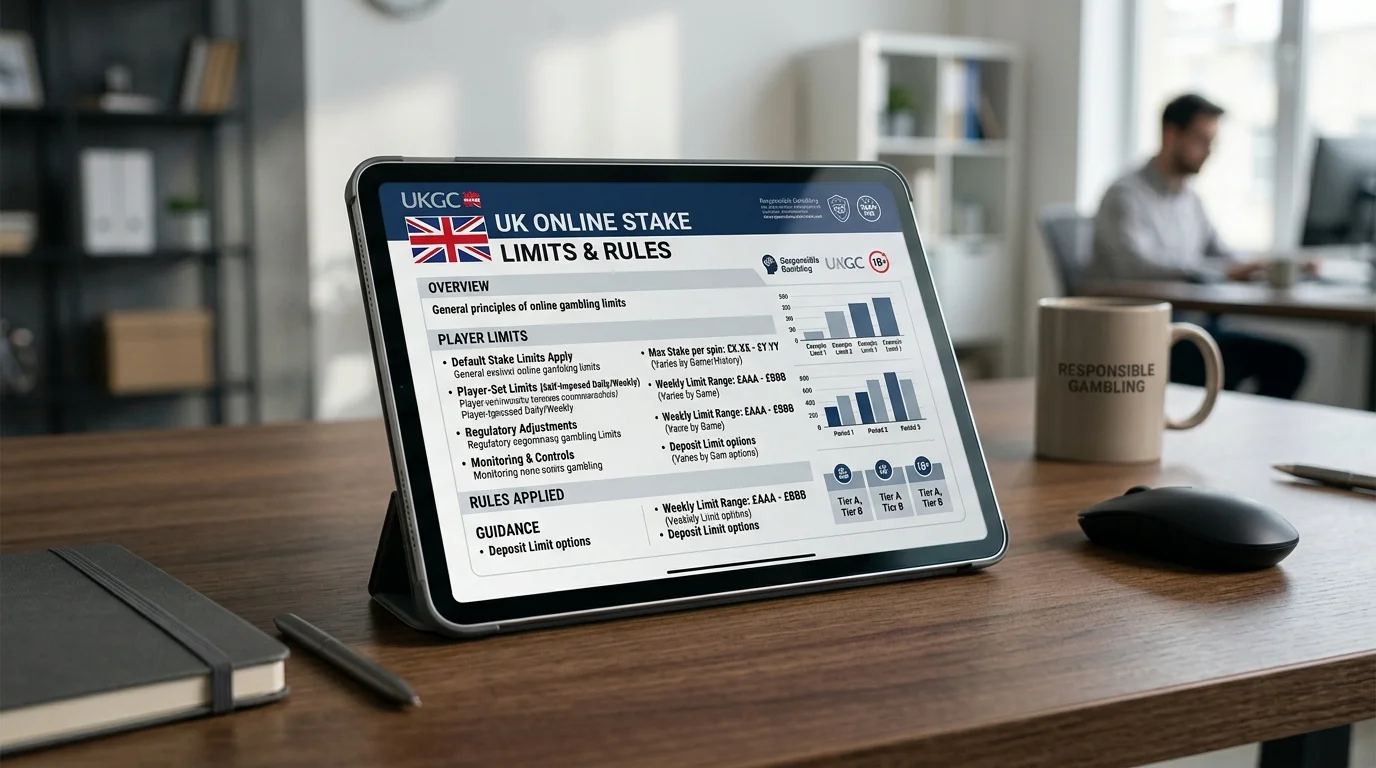
The limits apply to online slots specifically, not to bingo or other game formats. For Tombola, whose primary product is bingo with arcade games as a secondary offering, the direct impact is less dramatic than for slot-heavy operators. Tombola’s arcade games already tend to operate at lower stake points than the industry average, meaning the cap affected fewer games and fewer players than it did at platforms built around high-volatility slots.

The broader industry data tells an interesting story. Despite the stake limits, online slots GGY rose 9 percent year on year to £745 million in the first full quarter following the limits’ introduction (UKGC Q1 2025–26, covering April to June 2025), and continued growing through to £788 million in Q3 2025–26 (October to December 2025) — a 10 percent year-on-year rise. Players did not stop playing; they adjusted. More spins at lower stakes produced comparable revenue, which suggests the limits achieved their harm-reduction objective — shorter sessions, lower individual losses — without decimating operator revenue as the industry had feared.
For Tombola, the regulatory trajectory reinforces a strategic position that was already in place. The platform has operated with voluntary deposit limits, session reminders, and spend controls for years. As regulation tightens around high-risk products, operators who built responsible gambling into their models early face lower adjustment costs than those who treated it as an afterthought. The 2026 landscape is challenging for the industry overall, but the specific mix of changes — higher online taxes, bingo relief, stake limits targeting slots — maps onto Tombola’s product profile more favourably than it does onto most competitors’.

Does the Remote Gaming Duty increase affect the bonuses Tombola can offer?
The RGD increase from 21 to 40 percent reduces operator margins, which can influence the generosity of promotional offers across the industry. Tombola has not publicly attributed any specific changes to its bonus structure to the tax increase, but the broader economic pressure on online operators affects all aspects of the business, including marketing spend.
How do online stake limits apply to bingo games vs slots at Tombola?
The online stake limits introduced in April 2025 apply specifically to online slots, capping spins at £5 for over-25s and £2 for 18 to 24-year-olds. Bingo games are not subject to these caps. Tombola’s arcade games may be affected depending on the specific game format, but the platform’s products generally operate at stake levels below the cap.