
 Available in GB
Content
- How to Download and Set Up the Tombola App (iOS and Android)
- Feature Comparison: App vs Desktop Browser Experience
- Load Times, Stability and Data Usage
- Push Notifications, Jackpot Alerts and Chat Integration
- Responsible Gambling Tools on Mobile
- First-Time Players: A Practical Starter Path
- Mobile Bingo in 2026: Industry Trends and Where Tombola Stands
- Tombola App Questions
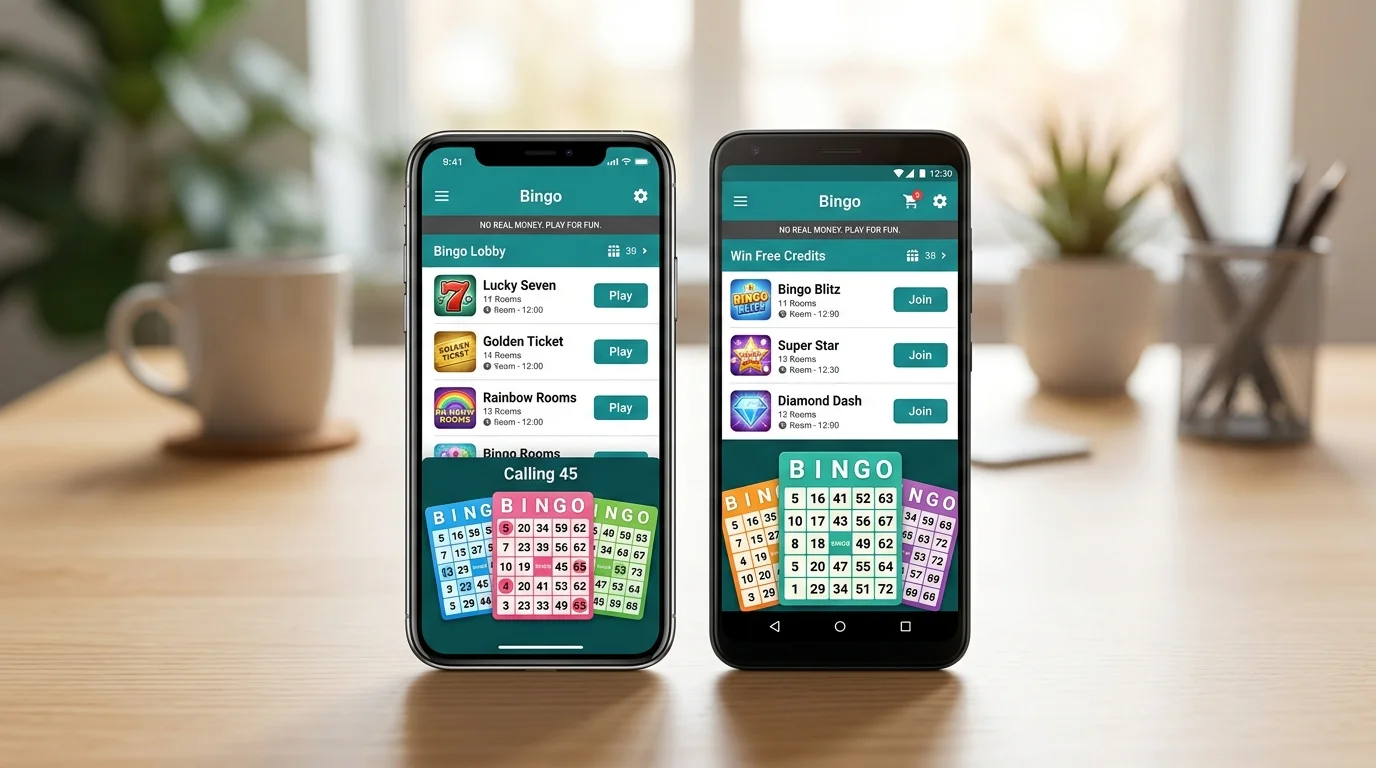
Three years ago, I tested thirteen UK bingo apps in a single week. I downloaded each one, registered, deposited, played a session, attempted a withdrawal, and evaluated the experience from first tap to final payout. Most of those apps were thin wrappers around a mobile browser — technically functional, but clunky, slow and missing features available on the desktop version. Tombola’s app was one of two that felt like a genuinely native mobile product rather than an afterthought.
That impression has held up. Mobile is now the dominant channel for online bingo, with the UKGC’s operator data showing the proportion of play on smartphones continuing to rise quarter on quarter. The app experience is therefore not a secondary consideration but the primary way most players interact with an operator. Tombola’s app reflects that reality: it is designed as a first-class product, not a scaled-down version of the desktop site with compromises and missing pages.
This review covers the Tombola app for iOS and Android in detail — how to get it, what features it includes compared to the desktop experience, performance characteristics, notification systems, responsible gambling tools on mobile, and where the app sits within the broader mobile bingo landscape in 2026. If you play bingo on your phone — and statistically, most of you do — the quality of the app is not a bonus feature. It is the product.
How to Download and Set Up the Tombola App (iOS and Android)
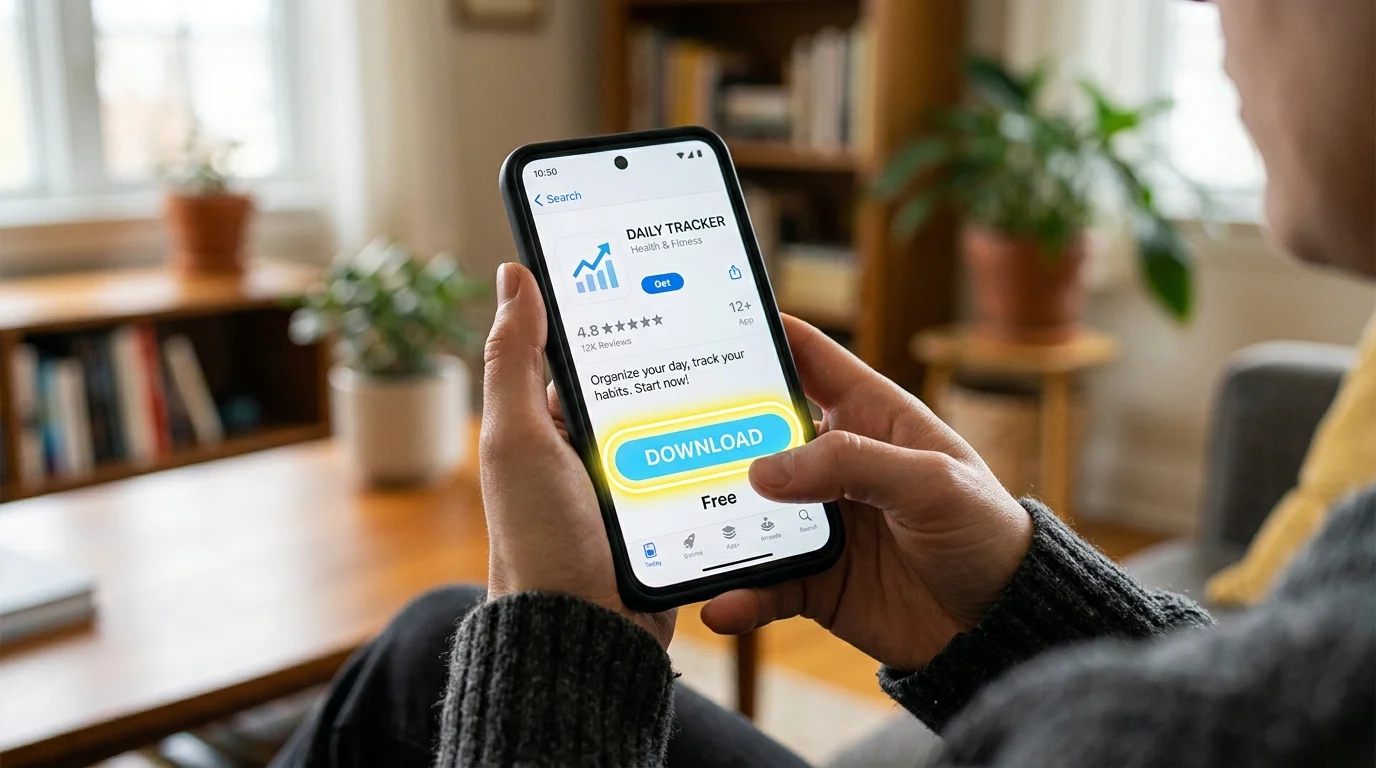
The Tombola app is available through the Apple App Store for iOS devices and through Google Play for Android. This is worth mentioning explicitly because not all UK gambling apps are distributed through official app stores — some operators still rely on direct APK downloads on Android, which introduces security and update risks. Tombola’s presence on both official stores means the app is subject to Apple’s and Google’s review processes, receives automatic updates, and benefits from the platform-level security measures that store distribution provides.
The download and installation process is standard for any app: search for “Tombola” in your device’s store, download, open and either log in with an existing account or register a new one. The app size is modest — it does not require a large storage footprint, which matters for users on devices with limited space. First-time loading after installation takes a few seconds longer than subsequent launches as the app caches essential resources.
Account registration through the app follows the same process as on the desktop site. You provide personal details, verify your identity, set up a payment method and configure your responsible gambling preferences. The verification process — uploading a photo of your ID, proof of address — is handled within the app using your device’s camera, which is marginally more convenient than the desktop workflow where you need to scan or photograph documents separately and then upload files.
One detail that catches some users: the Tombola app is for the main Tombola platform only. It does not include Tombola Arcade. If you want to play Arcade games on mobile, you need to download the separate Tombola Arcade app or access it through a mobile browser. The two apps coexist on a device without conflict, but they are independent products serving independent accounts. Setting up both requires separate registration and verification for each.
The minimum iOS version required is typically a few generations behind the current release, meaning most iPhones from the past five or six years are supported. Android requirements are similarly accommodating, though the exact minimum version can vary — check the app’s store listing for current requirements. Devices that no longer receive operating system updates may fall below the minimum threshold, which is a general mobile app consideration rather than a Tombola-specific issue.
Feature Comparison: App vs Desktop Browser Experience
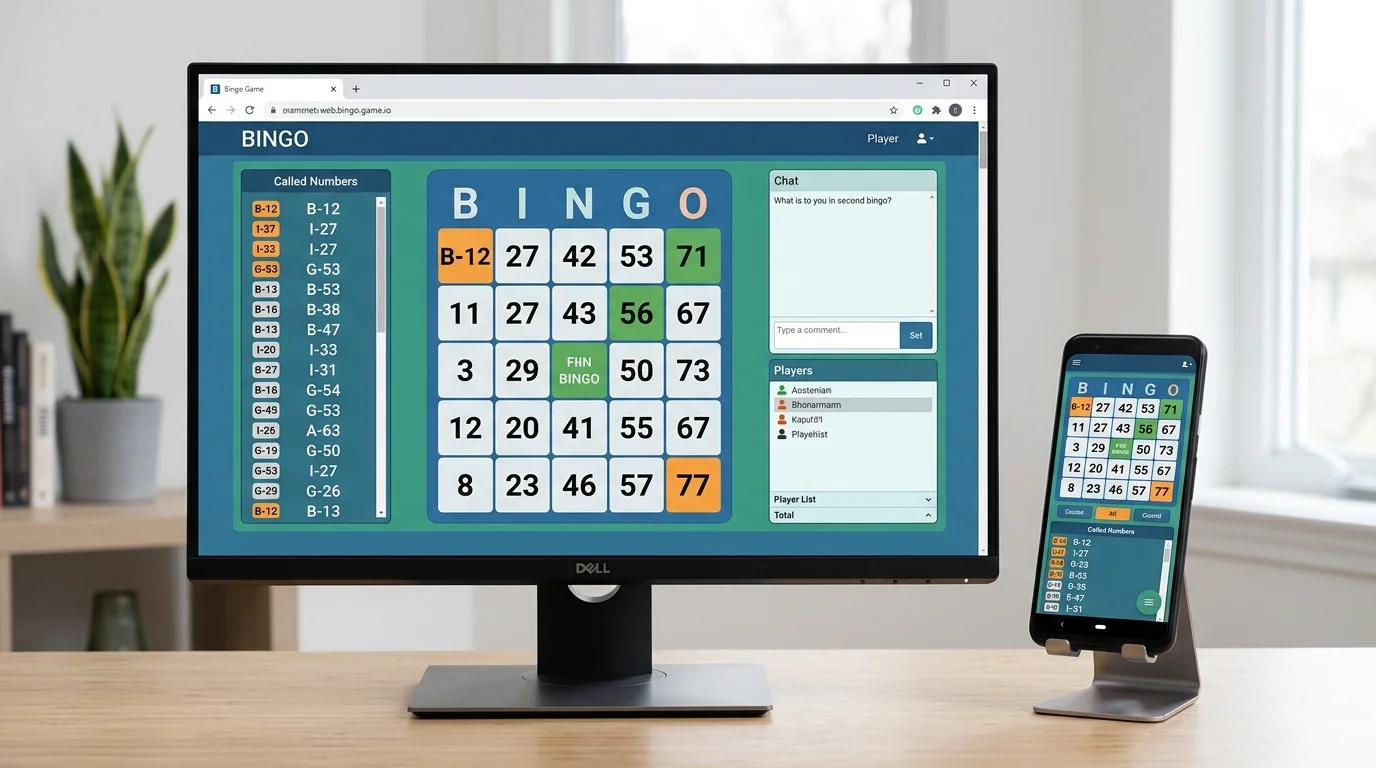
The phrase “feature parity” gets thrown around loosely in app reviews, so let me be specific about what it means at Tombola. The app provides access to the full bingo room schedule — 90-ball, 75-ball, Five-Line and variant rooms are all available. The instant-win and slot-style games from the main platform are accessible through the app. Chat functionality is integrated, with the same chat hosts and side games available on mobile as on desktop. Account management — deposits, withdrawals, transaction history, responsible gambling settings — is fully functional.
Where the app and desktop experiences diverge is in layout and navigation rather than feature availability. The desktop version benefits from screen real estate: the game lobby, chat window and ticket selection can all be visible simultaneously. On mobile, these elements are layered — you might need to swipe between the game view and the chat panel, or navigate through a menu to access account settings that are visible in a sidebar on desktop. This is not a feature gap; it is a screen-size adaptation. The functionality is the same, but the workflow is compressed to fit a smaller display.
Tombola had approximately 400,000 average monthly players at the time of the Flutter acquisition, and a significant majority of those players access the platform primarily through mobile. The app is designed with that usage pattern in mind — the most frequently accessed features (bingo room schedule, ticket purchasing, balance and notifications) are reachable within one or two taps from the home screen. Less frequently used features (verification documents, detailed transaction history, self-exclusion) are accessible but require navigation into settings menus. That prioritisation is sensible for the typical session, where a player opens the app, checks the room schedule, buys tickets and plays.
Auto-buy — the feature that lets players pre-purchase tickets for upcoming games — works on mobile with the same configuration options as on desktop. This is a feature that mobile users particularly value, because it allows participation in scheduled games without actively monitoring the app. Set up auto-buy for the 8pm 90-ball game, receive a notification when the game runs, and check the results later. For players who treat bingo as background entertainment rather than an active session, auto-buy on mobile effectively turns the app into a managed lottery.
The game lobby on mobile deserves specific mention. The desktop version presents games in a grid layout with room names, ticket prices, next start times and current player counts visible at a glance. The mobile lobby condenses this information into a scrollable list, with each room displaying its key details in a compact card format. Filtering options — by game type, ticket price or start time — are available and functional, though navigating filters on a phone requires more taps than the desktop equivalent. The information density is lower on mobile, which means you might need to scroll more to compare rooms, but the core decision-making data is all there.
Deposits and withdrawals through the app follow the same workflows as on the desktop site. The app integrates with your device’s payment systems where applicable, and the transaction interface is adapted for touch input. One mobile-specific convenience: the app can use your device’s camera for identity verification during KYC checks, which eliminates the need to scan documents or take photos with a separate camera and then upload files. For a first-time user going through the registration and verification process, the mobile workflow is marginally faster and simpler than the desktop equivalent.
Load Times, Stability and Data Usage
I ran the Tombola app on a mid-range Android device and a two-year-old iPhone during my testing, deliberately avoiding flagship hardware to get a realistic picture of performance for the average user. On both devices, the app launched to a usable state within three to four seconds from a cold start. Subsequent launches — where the app resumes from background rather than loading fresh — were near-instant.
In-game performance during bingo sessions was smooth on both test devices. Numbers were called without lag, the ticket display updated in real time, and the auto-daub feature (which marks off called numbers automatically) worked reliably. The chat panel loaded alongside the game without noticeable impact on frame rate or responsiveness. I did not experience crashes during any of my test sessions, though app stability can vary with device age, available memory and operating system version.
Data usage is modest. A typical bingo session — thirty minutes of active play including chat — consumed roughly 15 to 25 megabytes of mobile data. That is low by gambling app standards, partly because Tombola’s games are graphics-light compared to the cinematic slot interfaces that drive data consumption on casino-heavy platforms. For players on limited mobile data plans, this is a practical advantage. A month of regular play is unlikely to make a meaningful dent in most UK data allowances.
Battery consumption tracked proportionally to screen-on time rather than showing the elevated drain that GPU-intensive apps produce. The app does not run background processes that consume battery when not in active use, except for push notification delivery, which is handled by the operating system’s standard notification framework rather than a persistent background connection. This is the kind of implementation detail that users rarely think about but appreciate indirectly — the app does not kill your battery or heat up your phone.
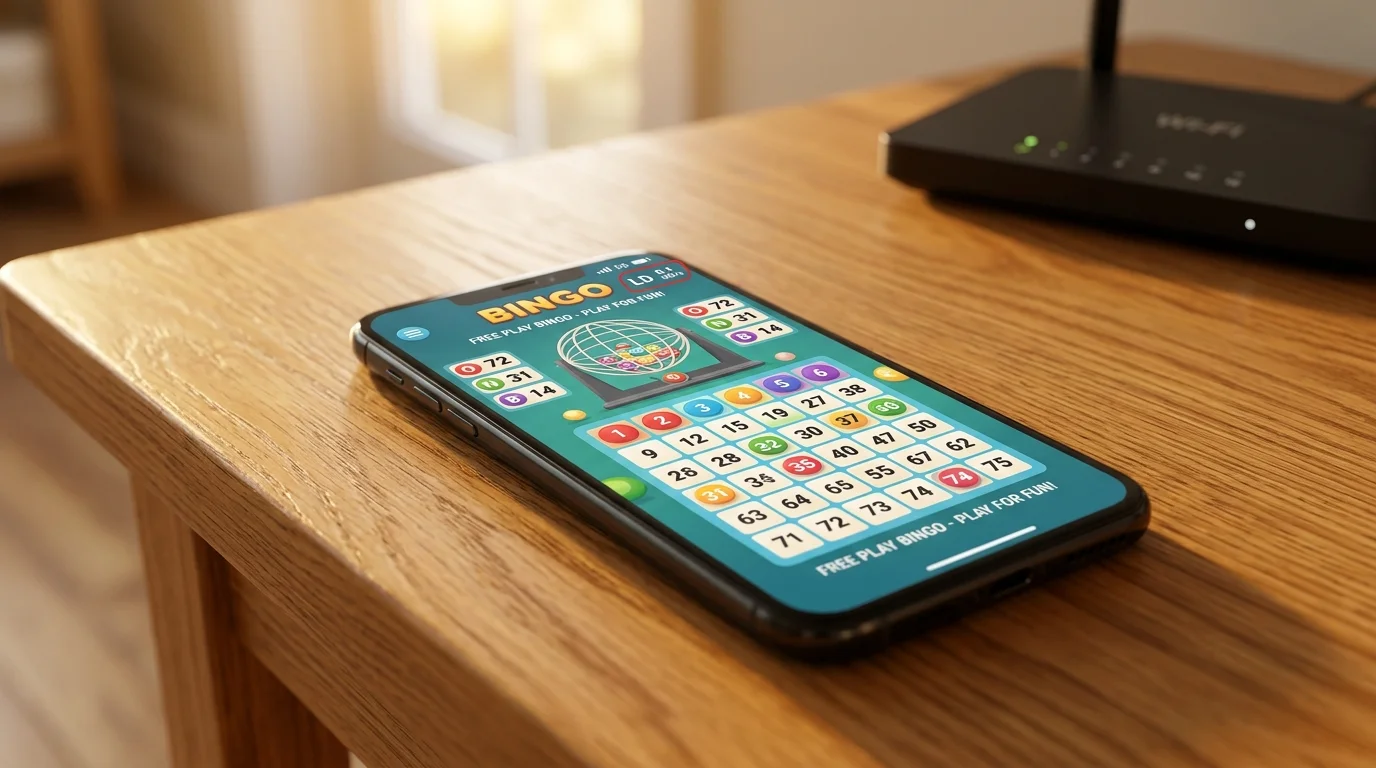
Connectivity handling is another area where the app performs well. During my testing, I deliberately moved between Wi-Fi and mobile data mid-session to simulate the real-world scenario of playing while on the move. The app maintained the session without interruption, reconnecting seamlessly after brief signal drops. In a bingo game, where a missed number call could mean missing a win, connection resilience is not a luxury feature — it is a functional requirement. Tombola’s app handles it reliably, which is more than I can say for several competitors whose apps require a full restart after a network switch.
Push Notifications, Jackpot Alerts and Chat Integration
Push notifications are the feature that divides opinion most sharply among mobile gambling app users. Done well, they keep players informed about games they care about. Done badly, they become a bombardment of promotional spam that erodes trust and triggers uninstalls. Women represent between 75% and 85% of all bingo players, and research into this demographic’s mobile notification preferences consistently shows a strong negative reaction to aggressive push marketing — which makes notification design a business-critical decision for any bingo operator.
Tombola’s notification system offers configurable categories. Players can enable or disable notifications for jackpot alerts (when a progressive jackpot reaches a specified threshold), game reminders (when a scheduled game is about to start), promotional offers (reload bonuses, seasonal events) and community updates (chat host events, themed game nights). The granularity of this control matters: a player who wants jackpot alerts but does not want promotional messages can configure exactly that.
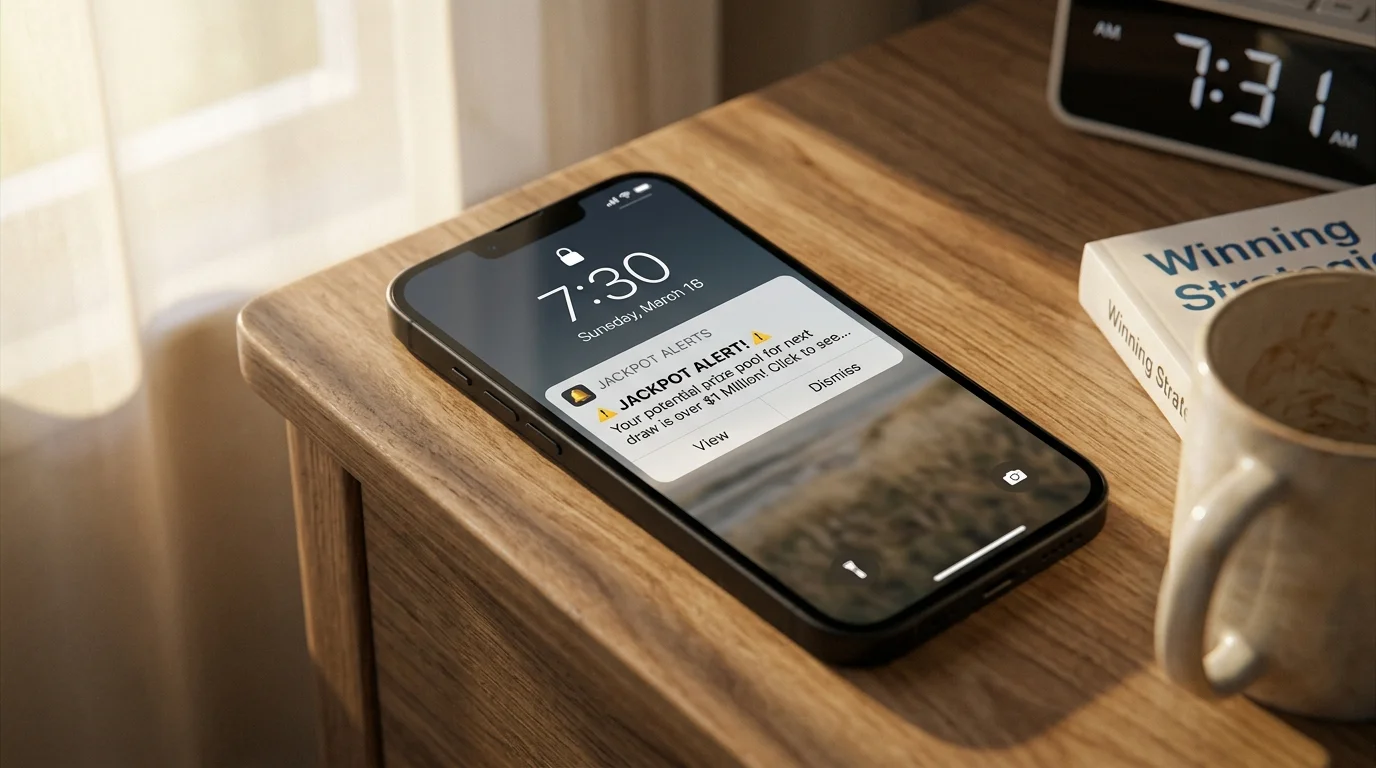
Jackpot alerts are the most time-sensitive notification category. When a progressive prize pool hits a level that might interest a player, the notification arrives with enough lead time to open the app and buy tickets before the game starts. The utility of this feature depends on how quickly the player responds — a jackpot alert received while you are in a meeting is not particularly useful — but for players who keep their phone handy, it provides a practical way to participate in high-value draws without constantly monitoring the app.
Chat integration on mobile deserves specific mention because it is where the social dimension of Tombola’s bingo experience either succeeds or fails on a smaller screen. The chat panel on the app is functional — messages are readable, the chat host’s side games work, and emotes and reactions are available — but the reduced screen space means the chat competes with the game display for attention. During busy rooms with fast-moving chat, the experience on a phone is denser and harder to follow than on a desktop monitor with a dedicated chat sidebar. This is a physical constraint of the form factor rather than a design failure, but it is worth noting for players who value the social element highly.
Responsible Gambling Tools on Mobile
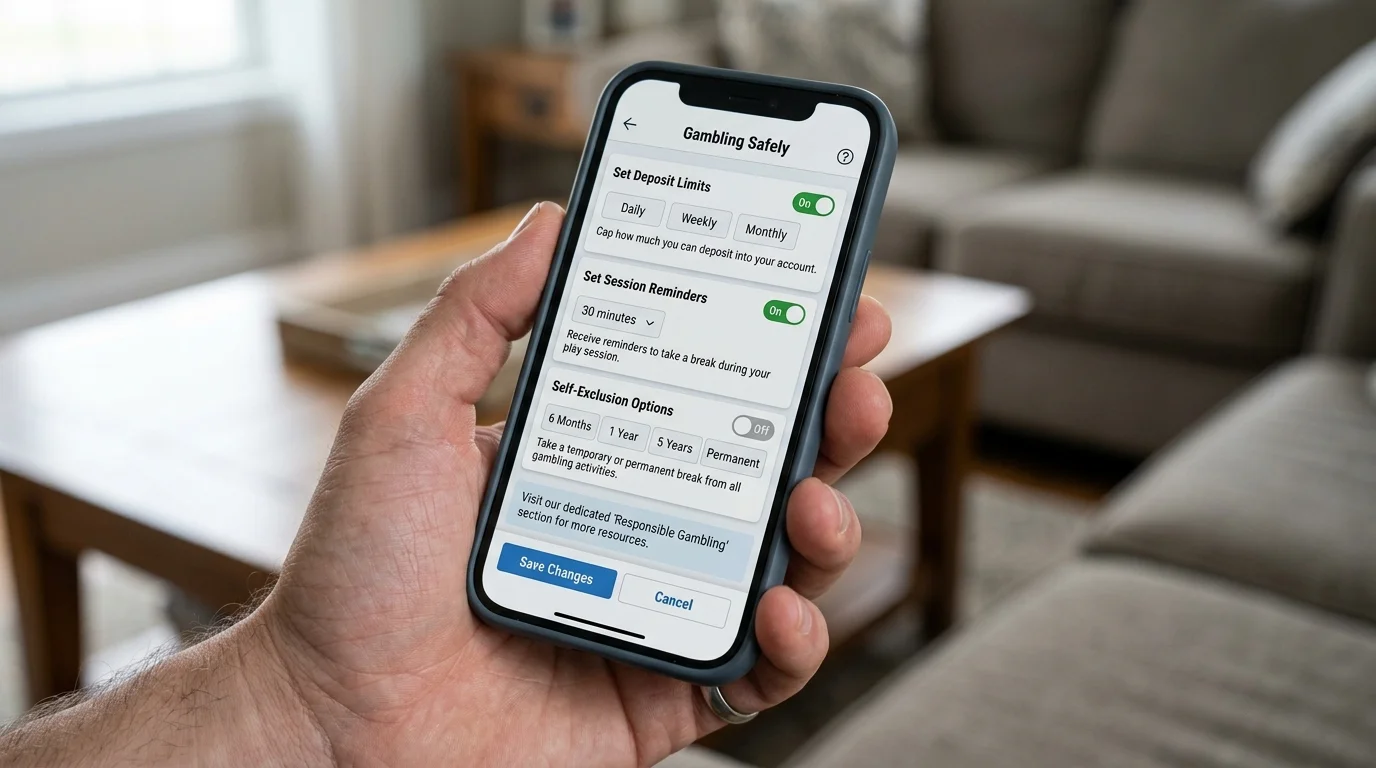
Every responsible gambling tool available on the desktop version of Tombola is accessible through the app. Deposit limits, spend caps, reality checks, session time limits, cooling-off periods and self-exclusion can all be configured from the mobile settings menu. The settings sync across devices — a deposit limit set on your phone applies when you log in on a tablet or desktop, and vice versa.
The mobile context adds a layer of importance to these tools that desktop play does not share. Mobile gambling is frictionless in a way that desktop play is not: your phone is always with you, always connected, and opening the app is a single tap away. That accessibility is the app’s greatest strength and its greatest risk. A player sitting at a desktop computer has physical and psychological separation from the gambling environment — they need to be at a computer, they need to navigate to the site, and the act of sitting down to play is a conscious decision. On mobile, the distance between impulse and action is measured in seconds.
Reality checks and session time limits take on heightened significance in this context. A timed notification that asks “You have been playing for 30 minutes — would you like to continue?” is a different intervention on a phone than on a desktop. On a phone, where sessions can start spontaneously and extend without a clear endpoint, the interruption serves as a circuit breaker that the mobile environment otherwise lacks. Tombola’s implementation of these tools on mobile mirrors the desktop version in functionality, which is the right approach — players should not have to reconfigure their protection settings depending on which device they are using.
For payment methods and deposit processing on mobile, the app supports the same options available on the desktop site, including biometric authentication for login and transaction approval. The ability to confirm a deposit with a fingerprint or facial recognition adds a layer of security that password-based authentication alone does not provide, and it also means there is a deliberate physical action — the biometric scan — associated with each financial transaction.
First-Time Players: A Practical Starter Path
Choosing Your First Game: Bingo Rooms vs Arcade Titles
Most of Tombola’s audience spends its time in the bingo rooms — the community and chat layer is the platform’s central differentiator from slot-led operators. But bingo rooms are not necessarily the best starting point for every new player. The choice between bingo and arcade depends on what you want from your first session.
Bingo rooms are communal. You buy tickets for a scheduled or continuous game, numbers are called automatically, and the software marks them on your tickets. There is no skill involved in the gameplay itself — the outcome is entirely determined by which numbers are drawn and which tickets contain them. The social layer comes from the chat rooms that run alongside each bingo game, where players and chat hosts interact in real time. If you want the full Tombola experience — the community, the anticipation of numbers being called, the shared excitement when someone wins — start with a 90-ball bingo room. Choose a room with low ticket prices for your first game, buy a small number of tickets, and focus on understanding the interface before worrying about strategy.
Arcade titles are solo games. Scratch cards, instant-win games and other arcade formats are played independently, with no social element and no scheduled start times. The advantage for beginners is control: you play at your own pace, you choose when to start and stop, and the outcomes are immediate rather than depending on the length of a bingo game. If the social aspect of bingo feels intimidating — and the chat rooms can be lively, which is not for everyone on day one — arcade games let you explore the platform without the communal pressure.
A practical starter approach is one bingo game and one arcade game. A single round in a low-stakes bingo room covers the format; one or two scratch cards on the Arcade side covers the solo, instant-win pace. That combination is enough to decide which part of the platform fits without committing significant time or money to either.
Setting a Budget Before You Start
I have made every mistake I am about to warn you against, most of them during my first year of reviewing gambling platforms. The most expensive one was not setting a budget before starting a session. The logic was flawed but felt reasonable at the time: “I will just play until I feel like stopping.” I did not feel like stopping until I had spent considerably more than intended.
Tombola provides spend limit tools that function as hard caps on your deposits. Set them before your first game, not after your first unpleasant surprise. A daily limit of £5 or £10 is appropriate for most beginners testing the platform. The limit can be reduced instantly if it feels too high and increased after a cooling-off period if it proves too restrictive. Starting conservative costs nothing; starting high costs the difference between your intended budget and what you actually spent.
The budget should be money you are comfortable losing entirely. Online bingo has a house edge — the platform retains a percentage of all money wagered over time — which means the expected outcome of any session is a net loss. Winning sessions happen, but they are not the norm, and planning around the expectation of a loss is the only financially sound approach. If losing £10 would cause genuine discomfort, deposit less. If losing £10 is equivalent to the cost of a cinema ticket — entertainment spending that you would not think twice about — then £10 is an appropriate starting point.
One pattern I see frequently among new players is depositing the maximum amount that qualifies for the best welcome bonus tier, regardless of whether that amount fits their budget. The bonus has value, but not if it causes you to deposit more than you intended to spend. Deposit the amount you planned to deposit. If that happens to qualify for a bonus, excellent. If it does not reach a higher tier, the difference is not worth overspending for.
Five Common New-Player Mistakes
The first mistake is ignoring the chat room. New players often treat the chat as decoration or distraction, but the chat hosts run mini-games and prize giveaways that are exclusive to active chat participants. Engaging with the chat, even minimally, unlocks a layer of the platform that silent players miss entirely.
The second mistake is buying too many tickets. In bingo, more tickets increase your probability of winning a given game, but they also increase the cost per game proportionally. Buying twenty tickets for a 10p game costs £2 per game, and games can run every few minutes in continuous rooms. At that rate, a modest bankroll disappears faster than expected. Start with a small number of tickets per game and increase only after you understand the cost-per-hour at different ticket volumes.
The third mistake is chasing losses. After a losing session, the impulse to deposit again and “win it back” is powerful and almost universally counterproductive. The house edge does not change based on your recent results. A losing streak makes the next game exactly as likely to lose as the previous one. The spend limit tools exist precisely for this scenario — they prevent a reactive deposit when discipline is lowest.
The fourth mistake is assuming all rooms are equivalent. Ticket prices, prize pools, player counts and game formats vary across rooms. A room with 200 players and a £500 prize pool offers different odds-per-ticket than a room with 50 players and a £100 prize pool. Checking the lobby information before buying tickets takes seconds and informs better decisions about where to play.
The fifth mistake is not reading the welcome offer terms. The offer is straightforward — no wagering requirements, bonus credited automatically — but the expiry window catches players who deposit and then forget to play within the specified timeframe. Read the terms once, note the expiry, and use the bonus before it disappears.
What is the best Tombola game for a complete beginner?
A low-stakes 90-ball bingo room is the best starting point for most beginners. The format is the most popular in UK online bingo, the rules are simple (numbers are called and marked automatically), and the chat room provides a social introduction to the community. Penny bingo rooms allow you to play for minimal cost while learning the interface.
How much money should I deposit as a first-time Tombola player?
Start with the minimum deposit or an amount that you would be comfortable losing entirely. A figure between £5 and £10 gives most beginners enough credit to explore several bingo rooms and arcade games without committing a significant sum. Set a daily spend limit at the same amount to prevent unplanned additional deposits during the session.
Mobile Bingo in 2026: Industry Trends and Where Tombola Stands
The shift to mobile is not a trend — it is a completed transformation that is now deepening rather than broadening. The question for operators in 2026 is not whether to have a mobile app but whether that app is competitive in an environment where player expectations are set by consumer technology giants, not by other gambling operators. Players compare their Tombola experience to their banking app, their food delivery app, their streaming service. The benchmark is no longer “good for a bingo app” — it is “good.”
Daniel Brookes, CEO of BetComply, captured the underlying shift when he told Gambling Insider’s 2026 compliance round-up that the real transformation in iGaming is not the visible layer of AI in marketing or game design, but the behind-the-scenes demand for real-time, machine-readable compliance data. That backend transformation has direct mobile implications: the app is not just a game delivery mechanism but a compliance platform that must monitor player behaviour, enforce limits, deliver responsible gambling interventions and report data to regulators — all in real time, on a device the player carries constantly.
Tombola’s position within this landscape is shaped by two factors. First, its in-house development model means the app and the games are built by the same team, which avoids the integration friction that plagues operators whose app is a shell around third-party game content. The result is a more cohesive experience and faster iteration cycles when improvements are needed. Second, Tombola’s acquisition by Flutter gives it access to the engineering resources and infrastructure of a company with 15.9 million average monthly players and $16.38 billion in annual revenue. The scale of Flutter’s technology operation means that improvements to the core platform — including mobile performance, security and compliance tooling — benefit from investment levels that an independent Tombola could not have sustained.
Where the mobile bingo market goes from here will be shaped by regulation as much as technology. Stake limits, mandatory affordability checks, enhanced KYC requirements and the statutory gambling levy all add layers of complexity to the mobile experience. The operators whose apps handle that complexity smoothly — without turning every login into a compliance gauntlet — will retain players. Those whose apps become friction-heavy will lose them to competitors or to non-participation. Tombola’s current app strikes a workable balance, but the regulatory environment is not static, and maintaining that balance will require continuous adaptation.

Tombola App Questions
Is the Tombola app free to download?
Yes. The Tombola app is free to download from the Apple App Store and Google Play. There is no purchase price or subscription fee for the app itself. Costs arise only from gameplay — purchasing bingo tickets or placing stakes on instant-win games — which requires depositing funds into your Tombola account.
Does the app support biometric login (Face ID / fingerprint)?
Yes. The Tombola app supports biometric authentication on devices equipped with Face ID, Touch ID or Android fingerprint sensors. Once enabled in the app settings, biometric login replaces manual password entry for faster and more secure access. Biometric authentication can also be used to authorise transactions.
Can I access Tombola Arcade through the main Tombola app?
No. The main Tombola app provides access only to the main Tombola platform — bingo rooms, instant-win games and the associated features. Tombola Arcade is a separate platform with a separate app. To play Arcade games on mobile, you need to download the dedicated Tombola Arcade app or access it through a mobile browser.
What is the minimum iOS or Android version required for the Tombola app?
The minimum operating system requirements are listed on the app’s store page and are updated periodically as new versions are released. Generally, the app supports iOS and Android versions from the past five to six years. If your device is no longer receiving operating system updates, check the store listing to confirm compatibility before downloading.